Blog
Are There Any Caffeine Plus Organic Coffee Brands?
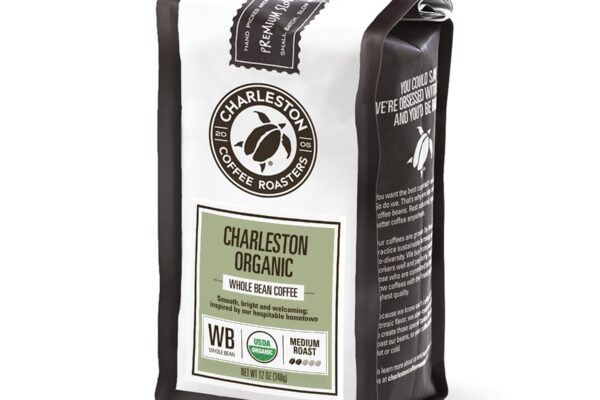
No matter your favorite coffee choice–from espresso to regular brew–organic is free from harmful chemicals. Look for USDA certified organic or fair trade coffee to support sustainability while limiting exposure to synthetic pesticides, herbicides and fertilizers. In addition, organic coffee usually uses only natural fertilizers like compost tea to maintain soil health.
Finding an organic coffee that suits both quality and cost requirements is no simple feat. According to the USDA Economic Research Service, organic beans typically cost 20-30% more per 12oz bag compared with non-organic alternatives. But cheaper organic alternatives may exist by purchasing in bulk or subscription packages or from specialty roasters offering whole bean options in 2-lb bags.
To obtain the purest coffee, look for organic varieties with zero mold or mycotoxin contamination that have been rigorously tested by laboratories. When purchasing organic coffee from companies that claim sustainability practices such as Rainforest Alliance certification, look for their frog logo on organic packaging as an assurance that these businesses adhere to sustainable principles.
Apart from being organic, certain brands use extra methods to promote healthful brewing. For instance, some organic blends contain ingredients such as green tea extract and coconut MCT oil that boost energy and aid weight loss. Although this kind of organic coffee might not taste quite as palatable, it might suit people with sensitive stomachs or those needing an extra boost.
Decaffeinated coffee made with water rather than chemical solvents is another healthy choice, preserving its original flavor without losing the benefits associated with traditional decaf beverages. To optimize this organic decaf experience, select a blend that has low acidity and offers smooth mouthfeel to accommodate even sensitive stomachs; these organic decafs work best whether enjoyed black, with milk in cappuccino, latte or macchiato form.