
Blog

Chaga Tea Mushroom
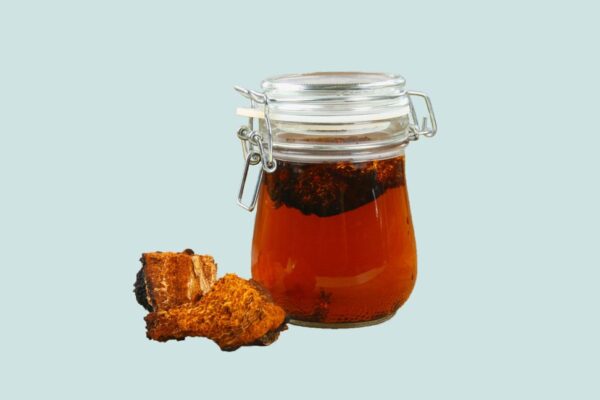
Chaga (Inonotus obliquus) is considered the king of medicinal mushrooms in Russia and Siberia due to its purported healing powers. It can be purchased dried whole pieces, ground into powder form and sold as tea, capsules or tinctures for consumption.
Chaga contains beta-glucans and melanin, two powerful antioxidants with anti-inflammatory and other therapeutic benefits, that also boost immune cells while decreasing blood sugar. Furthermore, its benefits also extend to immune boosting and blood sugar regulation.
It has anti-inflammatory properties
Chaga mushrooms are an amazing superfood with powerful anti-inflammatory and antioxidant properties, providing your immune system a boost and protecting it from cancer and cardiovascular diseases. Chaga can be consumed in many different forms such as whole dried pieces of the mushroom tea capsules tinctures but should only be taken under medical advice if any additional medical conditions exist.
Chaga, Inonotus obliquus, is an unattractive black parasitic fungus found on birch trees in cold regions such as Siberia, Russia, Alaska and Canada. But don’t judge its appearance too quickly: Chaga boasts many medicinal uses which make it an invaluable medicinal plant – its anti-inflammatory properties have been studied both in vitro and animal models, with its phenolic acids found to suppress pro-inflammatory cytokines production while increasing production of nitric oxide production.
These effects may be attributable to polysaccharides and beta-glucans present in chaga fungus. Polysaccharides are sugar molecules which have been shown to reduce inflammation within the body – something our natural defense mechanisms do, however chronic inflammation can lead to arthritis, diabetes, or cancer if left unchecked – chronic inflammation can be managed using anti-inflammatory properties found within chaga that decrease blood sugar while strengthening immunity systems.
Chaga has not only shown to have anti-inflammatory benefits, but has also been found to possess antibacterial and antifungal properties that may benefit your skin, digestion and overall health. Some hospitals are even considering it as an antibiotic replacement!
Many people try foraging or harvesting their own chaga to use as medicine, though this should only be attempted if you have experience and know exactly what to look out for. Chaga can be highly toxic when misidentified so it is imperative that you understand exactly what it is you are foraging yourself before beginning this venture.
Chaga should be enjoyed as a tea, which can be prepared by boiling mushrooms in water for several hours and adding ingredients such as cinnamon or ginger for an aromatic experience. A combination of Assam tea with cinnamon, nutmeg, cardamom and chaga is particularly appealing to many tea lovers; its warmth or cold temperature are ideal ways to start off each day!
It boosts the immune system
Chaga is a parasitic fungus found on birch trees in boreal forests, protecting them from insects and pathogens such as bacteria. With its woody, bark-like texture, it serves to protect trees against insects and pathogens while also being used for centuries as folk medicine to bolster immunity, lower cholesterol, fight cancer and boost energy. Chaga supplements are becoming popular against cancer as well. Available as whole pieces, dried powder capsules or tinctures; sometimes people familiar with its growing conditions find wild forms.
An aqueous extract of Inonotus obliquus, popularly known as Chaga, has been demonstrated to possess immunomodulatory properties when administered orally to mice after chemotherapy treatments were administered; specifically by measuring their CFU-GM and BFU-E levels after being fed 24 day doses of Chaga water extract orally. These numbers increased substantially back towards near normal levels indicating it may counteract chemotherapy’s immunosuppressant effects.
BioWhittaker of Walkersville, Maryland conducted endotoxin tests under sterile conditions using their Limulus Amebocyte Lysate (LAL) pyrogen kit on Chaga water extract for 24 hours under sterile conditions and found its endotoxin level to be at an extremely low 0.015 EU/mg. Additionally, Chaga water extract significantly inhibited mitogen-driven splenocyte proliferation as measured with an MTT assay as well as TNF-a secretion via dose response mechanisms.
Inonotus obliquus polysaccharide (IOPS) is one of the key bioactive compounds found in Chaga, with antitumor, antioxidant and immunomodulatory activities reported. IOPS has become popular as part of functional health products in China, Russia, Korea and certain occidental countries as a capsules, tea or tincture product. This research reviews recent developments related to extraction, purification, structural characteristics and biological activities of IOPS; particularly its potential application against cancer or type 2 diabetes treatment.
It lowers blood sugar
Chaga mushrooms are an aromatic variety of fungus found on birch trees in colder parts of the Northern Hemisphere. Though their rocklike appearance may deceive you, chaga is known to provide powerful antioxidants which have long been used as medicine – specifically to boost immunity and inhibit tumor development.
These mushrooms contain beta-D-glucans, which have been demonstrated to lower cholesterol and blood sugar levels in animal studies. Furthermore, they contain betulinic acid to combat cancer cells; however more research needs to be conducted before we know whether or not such compounds work in people.
Inonotus obliquus, commonly referred to as the chaga mushroom, is an unusual fungus found on living trunks of birch and maple trees in Russia and Siberia. Used medicinally since ancient times for both immune support and cancer fighting properties, its popularity continues today as part of folk medicine practices there. It contains antioxidants known to boost immunity while providing cancer protection.
Chaga mushroom boasts black pigments packed with various types of antioxidants such as polyphenols and beta-D-glucans that offer protection from free radicals and oxidative stress, both of which can contribute to high blood pressure and diabetes. Chaga can also lower oxalates levels that form kidney stones as well as betulin and betulinic acid which have anticancer properties.
Studies conducted on diabetic mice have demonstrated the power of Chaga mushroom extracts to decrease blood glucose levels. This evidence suggests it could serve as an effective food- and possibly drug-based therapy against this condition.
Chaga mushrooms may offer many health advantages, yet registered dietitian Beth Czerwony advises it’s wise to consult your physician prior to adding this supplement into your diet. She suggests starting off slowly with small doses to ensure it won’t interfere with other medications or supplements taken; additionally if you are diabetic or undergoing surgery or other procedures then consumption of chaga mushrooms should be avoided.
It helps fight cancer
Chaga is a parasitic fungus found on birch trees that has long been used in traditional medicine throughout Eastern Europe, Asia, Russia and Canada for its anti-inflammatory, antioxidant, immunostimulant and hypoglycemic properties. Additionally, it may help combat cancer while strengthening immunity while offering other potential health benefits. Available as whole mushrooms, teas or tinctures. It has even been demonstrated to reduce tumor size while simultaneously increasing cell death rate – further research needs to confirm these claims.
Scientists recently conducted a study using chaga mushroom extract to treat oral cancer cells. It successfully inhibited cell growth, increased apoptosis rates and reduced glycolysis while attenuating basal mitochondrial respiratory rates and ATP turnover rates of HSC-4 cells. Furthermore, the extract promoted autophagy activation.
Mushrooms have recently become a dietary trend among many, adding them to their daily regimen. Packed with vitamins and minerals, mushrooms can be consumed through teas, tinctures, capsules or soups/stews; furthermore they may help fight harmful bacteria, viruses, toxins and increase resistance against stress.
Chaga tea can provide an immune-boosting beverage as a refreshing alternative to coffee, yet pregnant or breastfeeding women should avoid drinking chaga as this substance activates their immune systems and may increase risk of bleeding. Chaga should also not be taken by those suffering from an autoimmune condition like Lupus or Multiple Sclerosis as this would only serve to activate them further.
Chaga tea has long been used as an herbal remedy in Russia, yet only recently gained mainstream appeal in the Western world. You can buy it in many stores or order it through e-commerce platforms listed as “natural insulin,” while certain manufacturers have adopted ISO22000:2018 and HACCP methodologies to ensure product quality and safety.