

Blog
Coffee Nootropic Reddit
Nootropics and adaptogens have become ubiquitous on coffee labels and health food aisles, promising to energize like an overtime quarterback or relax like an afternoon nap on the porch. While these sound promising, recent self-tracking experiments demonstrate some actually work.
What is a nootropic?
Nootropics are substances used to improve cognitive function, commonly used in traditional herbal medicine to treat neurocognitive disorders and in healthy individuals to boost brain performance. Nootropics also enjoy an increasing demand as cognitive enhancement supplements. While pharmaceutical nootropics must be approved by the FDA before being sold legally as controlled substances, dietary supplements do not fall under such oversight and can therefore make broad health claims that can be classified as nootropics; currently popular examples of nootropic-rich supplements include Acetyl-L-carnitine, Huperzine A, L-theanine and Ashwagandha among many others.
What are the benefits of nootropics?
Nootropics may help increase focus, clarity, or calm. By supporting brain cellular health and increasing levels of essential neurotransmitters like acetylcholine which plays a vital role in memory and learning; nootropics also improve mental energy, reduce occasional brain fog and encourage cognitive flexibility.
Antidepressants have antidepressant effects, reducing stress and anxiety by altering how the body responds to stressors. Furthermore, they help balance hormones and regulate metabolic processes within the body – as well as acting as antioxidants against potential damage to brain tissue.
Nootropics offer many advantages for students, professionals and anyone attempting to enhance their cognitive capabilities. But it is important to remember that nootropics typically require consistent long-term use to experience any notable results; also nootropics should not be seen as a replacement for healthy diet and adequate rest.
But if you need an extra push through your day, nootropics and adaptogens could provide some help. Just make sure that before trying them, do your research, read labels carefully, consult your physician, and start with low doses. Nootropics and adaptogens shouldn’t be seen as cures but as enhancers for gentle boosts akin to having supportive friends around or enjoying a hot cup of joe; healthy diet, quality sleep and ample downtime remain timeless gold standards in terms of maintaining mental wellbeing compared to health trends that come and go over time.
What are the drawbacks of nootropics?
Modafinil for sleep disorders and certain ADHD drugs have been shown to impair cognitive functions when used off-label for nonmedical use, while caffeine or certain herbal supplements have been linked with insomnia or feelings of anxiety in some users.
Natural nootropics tend to be safer than their synthetic counterparts and may provide multiple health benefits in addition to cognitive enhancement. Unfortunately, they tend to be slower-absorbing and may interact with certain medications; for this reason it’s wise to speak to a healthcare provider before beginning any new regimen.
Though some nootropics such as caffeine and L-theanine for concentration and mood support are well-researched and widely utilized, others like creatine or herbal supplements such as ginkgo biloba or bacopa monnieri remain under investigation. Their effectiveness varies widely, depending on factors like genetics, lifestyle habits, diet or results of modafinil; others like choline are just starting clinical trials now.
What are the best nootropics?
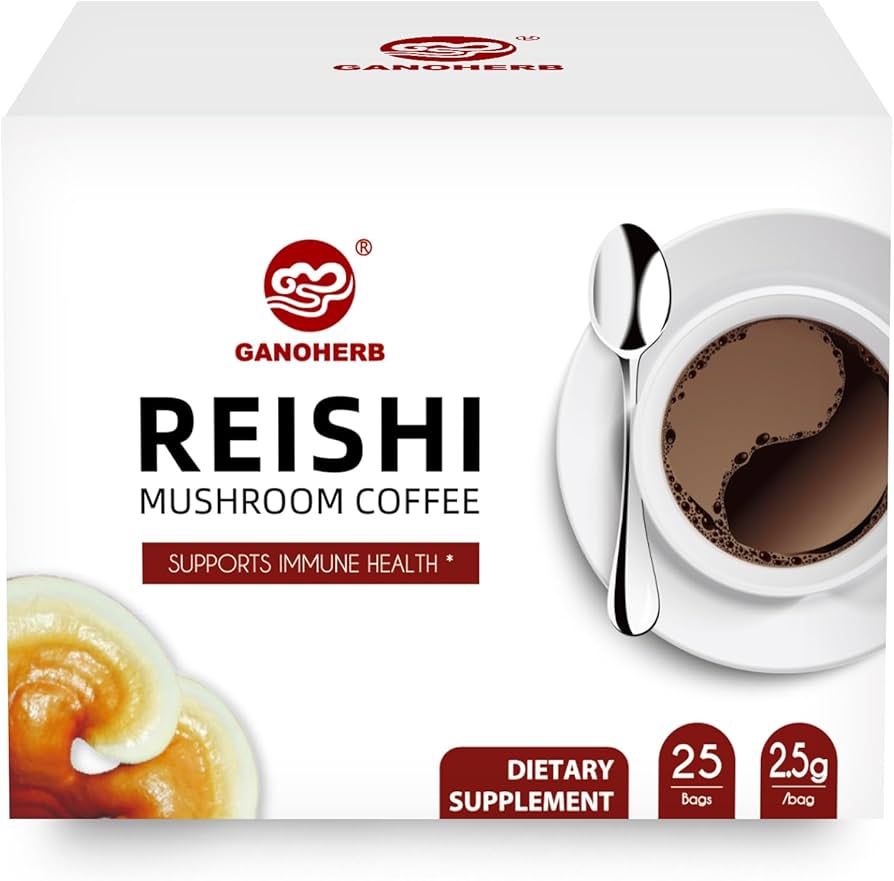
Nootropics come in various forms. Caffeine is well known to improve cognition; others, like lion’s mane, Chaga, Reishi and Saffron may be lesser-known but still show promise through research studies. Some companies, like Nootrobox (founded in San Francisco with funding from Marissa Mayer and Andreessen Horowitz VC firm) provide premade combinations containing these ingredients that may help boost memory performance.
Consumers remain wary of cognitive-enhancing products and some have reported unpleasant side effects such as jitters. Brands able to balance scientific rigor with consumers’ desires for great taste could reap the rewards of this market segment.