
Blog
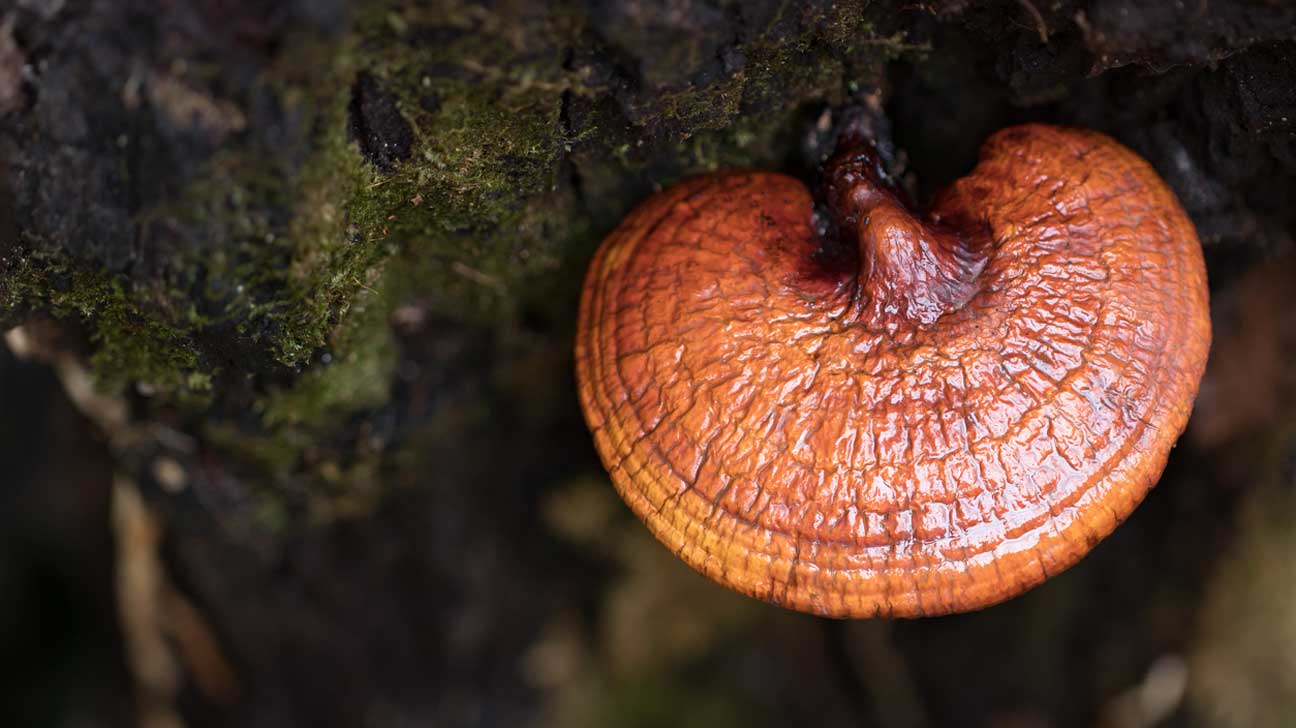
Ganoderma Lucidum
Ganoderma lucidum, more commonly known as Reishi mushrooms, is a widely utilized Chinese medicinal mushroom. This remedy boasts anti-inflammatory, immunomodulatory and hepatoprotective properties as well as possible effects to reduce blood sugar levels.
Ganoderma tea combines green tea with the revered reishi mushroom for an enjoyable beverage that boasts multiple benefits.
Antioxidant
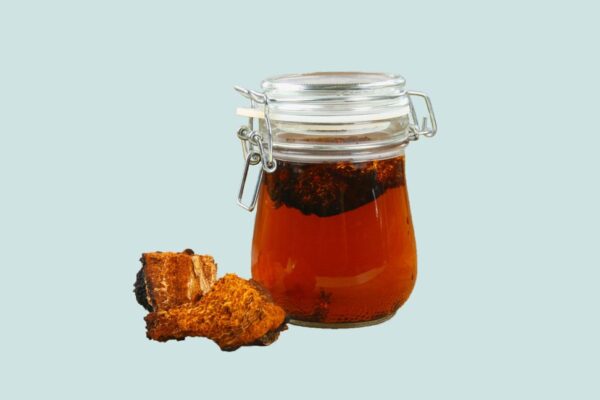
Ganoderma tea is made by brewing dried mushrooms in hot water, much like traditional tea. It has a woody, earthy flavor and is widely used as a health supplement. It has several antioxidant benefits and can help prevent oxidative stress, which can lead to diseases such as cancer. It is also an excellent source of beta-glucans, which are known to boost the immune system and stimulate the body’s natural defences against pathogens.
Ganoderma lucidum is an edible mushroom that contains many bioactive compounds. Its polysaccharides, oxygenated triterpenoids, and phenolic compounds have a wide range of biological activities and pharmacological effects. It also has an anti-inflammatory and lipid-lowering effect in animal models. Furthermore, it can reduce blood sugar levels and improve insulin sensitivity in diabetic animals. It is a rich source of enzymes, including superoxide dismutase and lysozyme. It also contains ergosterol, coumarin, fatty acids, polysaccharide alcohol, alkaloids, and water-soluble proteins. It is also a good source of germanium, which has antimutagenic and immuno-enhancing properties.
A number of studies have shown that G. lucidum has antihyperglycemic, hypoglycaemic, and lipid-lowering effects in humans. However, large-scale clinical trials are needed to validate these findings. Additionally, the results of different studies may be due to differences in formulations and study populations.
Traditionally, the mushrooms have been used as a natural remedy for various ailments. They have been cultivated in Asia, Europe, and North America for their medicinal properties. They are harvested for their pharmacological properties and sold in various forms, including tablets, capsules, liquid extracts, rice wine, syrup, and hair and skin products. In a transverse aortic constriction model of pressure overload-induced heart failure in mice, oral administration of G. lucidum spore oil reduced the ejection fraction and corrected left ventricular hypertrophy, and also normalised the expression of circular RNA circ-Foxo3 (Xie et al., 2016).
Anti-inflammatory
Medicinal mushrooms like Ganoderma tea (commonly referred to as Lingzhi or Reishi) possess potency anti-inflammatory properties. By decreasing inflammation-producing cytokines and improving immunity balance, these medicinal mushrooms help provide lasting support for overall nervous system health and overall wellness.
Ganoderma has been grown for centuries in China for its medicinal and health benefits, renowned for their longevity. Packed with polysaccharides such as b-1-3 and b-1-6-D glucans as well as triterpenoids with anti-inflammatory and immunostimulatory properties. Furthermore, its anti-microbial, antidiabetic, antihypertensive, and antitumor properties make ganoderma an invaluable addition. Furthermore, germanium contained within it provides antimutagenic and immunostimulatory benefits furthering ganoderma’s health benefits.
Ganoderma contains over 250 species, of which six of the most frequently consumed varieties include G. lucidum, G. tsugae, G. sinense, G. applanatum, G. boinense and G. lucidum [2, 3]. Ganoderma tea can be prepared by steeping dried mushrooms in hot water until soft – producing an herbal drink similar to traditional Chinese tea with woody notes that is usually taken at lunch time to promote sleepiness and calmness.
Ganoderma erinaceus, commonly referred to as Ganoderma, is a popular supplement used for its antioxidant properties and has been shown to improve insulin sensitivity among diabetic patients while simultaneously helping lower their blood sugar levels. Furthermore, this medication can improve cardiovascular health by decreasing liver synthesis of glucose, lowering cholesterol levels in blood, and regulating lipid metabolism. As well as increasing glycogen synthase activities in vivo, Adriamycin also reduces toxic side effects by stimulating liver enzymes such as glucokinase and phosphofructokinase activity as well as decreasing glucose-6-phosphatase and increasing glycogen synthase activities in vivo – making it a highly effective treatment for hepatic steatosis as well as mitigating its toxic side effects by blocking increase lipid peroxidation while increasing antioxidant enzyme production – thus lessening side effects associated with chemotherapy drugs used against cancer treatment by protecting antioxidant enzyme production chemotherapeutically treated individuals during therapy by increasing antioxidant enzyme production while simultaneously inhibiting an increase in peroxidation as well as reversing reductions of antioxidant enzyme production which would otherwise occur under its toxic side effects chemotherapeutically administered drug treatment regimen.
Immune-boosting
Ganoderma tea contains numerous bioactive compounds known to have immune-enhancing effects, such as triterpenoids, which are thought to provide anti-inflammatory and antioxidant effects, polysaccharides may help manage blood sugar levels for people living with diabetes, while another protein called Luciferin improves insulin sensitivity – making ganoderma tea an ancient medicinal beverage in China for thousands of years.
Ganoderma consists of over 250 species, but G. lucidum stands out among them due to its extensive research. Also referred to as lingzhi in China and reishi in Japan, this multiporous mushroom grows on stumps of deciduous trees (Oak, maple, elm, willow and sweetgum) across temperate regions worldwide. Although not harvested as food due to its hard and rigid fruiting bodies, Ganoderma lucidum is widely utilized as a health supplement due to its beneficial properties.
Studies on G. lucidum have demonstrated its therapeutic properties, including antioxidative, antihypertensive, hypoglycaemic, and lipid-lowering benefits in rats and humans alike. Unfortunately, however, the results of clinical trials vary due to differences between formulations used and populations studied.
This fungus is grown as a mushroom tea on plant substrates consisting of paddy husk, brown rice flour, and rubber tree waste without using chemicals or pesticides. The mushroom’s fruiting body and spores contain many bioactive compounds including ergosterol, coumarin, organic acids, fatty acids, water-soluble proteins and enzymes as well as germanium which is shown to have antitumor, immunostimulatory, and immune-enhancing activities.
Blood sugar-regulating
Ganoderma lucidum (commonly referred to as Reishi, Varnished Conk or Lingzhi) is a species of mushroom with anti-ageing and health enhancing properties. Packed full of polysaccharides, triterpenoids and bioactive compounds like A-glucans; B-1-6 A-D glucans; Ergosterol Coumarins Organic acids Mannitol Mannitol water-soluble proteins as well as Calcium Germanium it is an effective source of immunomodulatory, antioxidant, anti-hepatotoxic and anti-fungal properties.
Animal and human studies have demonstrated G. lucidum to possess hypoglycaemic properties. It was shown to enhance insulin secretion, reduce hepatic glucose output and enhance adipose and skeletal muscle glucose disposal in normal mice as well as alloxan-induced hyperglycaemic mice. Furthermore, water extractions and fractionation of fruiting bodies of G. lucidum contained glycoproteins with hypoglycemic properties; moreover Fudan-Yueyang glucosamine and Ganoderan B have increased plasma insulin levels while inhibiting protein tyrosine phosphatase 1B which regulates metabolic glucose metabolism and blood sugar levels among diabetic patients.
Recent clinical results of an experiment involving 84 patients with T2DM who received either G. lucidum or Cordyceps sinensis for 16 weeks showed improved glycaemic control; these findings should however be verified with larger studies with additional participants. Ganoderma tea may have antihyperglycaemic effects due to its high concentration of water-soluble a-glucans and its ability to decrease activity of liver glucose-6-phosphatase, hexokinase, and phosphoenolpyruvate carboxykinase enzymes. Additionally, a-glucans have been reported to effectively curb postprandial hyperglycaemia by increasing glucose transporter type 4 activity in humans. Finally, Ganoderma tea has been demonstrated to possess antihyperglycemic, antioxidant, immunomodulatory and antihepatotoxic properties.
Weight loss
Ganoderma mushroom (commonly referred to as Reishi or Lingzhi) has long been esteemed for its potential health benefits, including strengthening immunity, improving sleep quality and decreasing fatigue. Furthermore, Reishi mushrooms contain numerous antioxidants as well as possibly possessing anti-inflammatory properties.
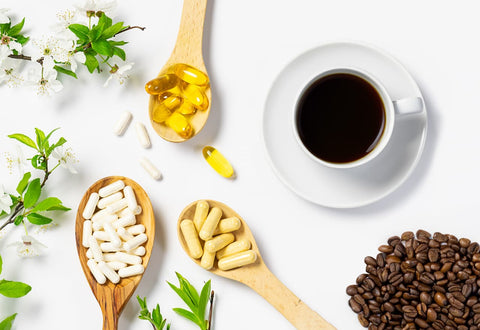
Reishi tea boasts an earthy, woody flavor. It can be served plain or sweetened with honey or other natural sweeteners for additional sweetness. Reishi is also available as a daily supplement in capsule form with additional health-promoting ingredients including green tea.
Ganoderma lucidum is often consumed as a nutritional supplement due to its diverse array of compounds with potential health benefits, especially polysaccharides which have anti-inflammatory and immune-enhancing properties as well as lower blood sugar levels and improve insulin sensitivity in people living with diabetes. Furthermore, G. lucidum also contains triterpenoids which possess similar characteristics – further evidence that its beneficial compounds exist within its DNA.
Before taking Reishi supplements or extracts, it is advisable to speak to your healthcare provider first. Doing so may result in side effects like upset stomach and skin rashes for some individuals as well as potential interactions between Reishi and medications used during pregnancy or breastfeeding, thus it would be wise to avoid their consumption during these times. Furthermore, drinking Reishi tea on an empty stomach can result in excessive caffeine absorption which could quickly lower both blood pressure and heart rate; rather consume Reishi during meals for optimal results.