
Blog

Ganoderma Tea Side Effects
Ganoderma tea benefits include anti-oxidative properties and immune-enhancing qualities. Furthermore, its beta-glucan content helps strengthen the body’s natural defense mechanisms against pathogens.
Ganoderma lucidum, more commonly referred to in China and Japan as lingzhi and reishi respectively, is an edible mushroom commonly consumed as a dietary supplement. Available both powder and extract forms.
Antioxidants
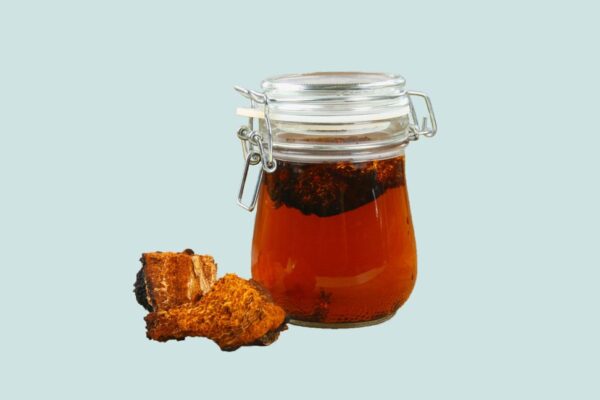
Ganoderma tea is made by steeping dried Ganoderma lucidum mushrooms (reishi mushrooms) in hot water to simulate traditional tea-brewing methods, much like traditional Chinese medicine has done for centuries. Reishi mushrooms have long been used as medicine; modern research indicates they may provide several health benefits, including anti-ageing properties, increased immunity, better sleep quality and even treating chronic illnesses like cancer and cardiovascular disease.
Reishi contains antioxidants – compounds which protect the body against damage caused by free radicals – including polysaccharides and triterpenoids, according to studies. Studies have also demonstrated its potential ability to inhibit tumor growth, lower cholesterol levels and blood pressure while providing anti-inflammatory benefits.
Reishi contains several triterpenoids such as ganoderic acids and lucidenic acids that may help treat free radical-induced diseases, improve heart health and lower cardiovascular disease risks; one study concluded that daily oral supplementation of Reishi prevented neointimal thickening following carotid artery-ligation in mice models.
Reishi has long been used in traditional Chinese medicine to enhance general well-being and strengthen immunity, making it one of the cornerstones of Chinese herbal medicine. Recently, however, Reishi has grown increasingly popular as an herbal remedy and dietary supplement in Western countries as both powder and liquid extract varieties are sold individually or as combination products known as Lingzhi or Reishi; capsules, tablets, rice wine tea syrup or other nutraceutical preparations contain Reishi as a dietary supplement.
Polysaccharides
Ganoderma tea can be an effective way to bolster your immune system and enhance overall health. Made by steeping dried mushrooms in hot water, its woody flavor makes this drink enjoyable both alone or with sweeteners. Depending on which variety is used, Ganoderma can offer multiple health benefits, including increasing energy levels and cardiovascular wellness improvements; however if you suffer from certain medical conditions it should be avoided as consumption could worsen symptoms.
Ganoderma tea contains polysaccharides with numerous beneficial properties, including antitumor, antioxidant, immunostimulatory and mushroom poison detoxification activities [2]. They may also help regulate stomach inflammation; research has demonstrated b-glucans can mitigate alcohol-induced gastric damage in rats by decreasing oxidative stress and cell apoptosis.
Glycans can also modulate the immune system by stimulating macrophages, natural killer cells, neutrophils and dendritic cells – something made possible due to how b-glucans interact with cell receptors to activate and stimulate these cells – as well as increasing antitumor and immunomodulatory gene activity.
Researchers found that Ganoderma lucidum-derived a-D-glucans could effectively prevent Hepatitis C virus infections in hepatocytes by increasing expression of antiviral gene IFN and decreasing T cell activity; additionally, these substances also reduced fibrosis and inflammation significantly.
Ganoderma lucidum, also known as lingzhi or reishi in Chinese medicine, has been used for over 2000 years to improve health and extend lifespan. It is thought to help prevent or treat cancer, digestive issues and cardiovascular conditions; but some individuals have reported adverse reactions such as increased creatinine and urea levels in blood and kidney failure as side effects.
Triterpenoids
Ganoderma lucidum, commonly referred to as Reishi or Lingzhi fungus, contains triterpenoids and polysaccharides – bioactive substances with numerous health benefits, such as regulating immune function, lowering blood sugar levels, lipid levels and other blood components, antitumor activity as well as antimalarial properties.
Ganoderma contains not only triterpenoids but also an abundance of polysaccharides derived from glucose, fructose and xylose linked together by glycosidic bonds – complex molecules composed of glucose, fructose and xylose linked by glycosidic bonds which dissolve easily in water, possessing anticancer, antioxidant and immunomodulatory properties; particularly polysaccharides with b-1-3 or b-1-6-D glucans such as glucuronoglucan or mannooligosaccar and arabinoglucan which have proven themselves as effective means to inhibit tumor growth or prevent cell proliferation.
Ganoderma contains many distinct kinds of triterpenoids that can be classified according to the number and type of carbons present. These triterpenes, known as G-triterpenes or GTs, have been shown to possess many health-promoting effects including cancer cell apoptosis, inhibition of protein kinases C and Akt activity, as well as modulation of inflammation responses within vascular tissues.
GTs are produced through various processes involving oxidation, reduction and cleavage of various phenolic acids. Their production is controlled by specific enzymes in the MVA pathway; any changes in their structure could impact their bioactivity.
Reishi tea derived from the fruiting body of reishi mushrooms contains high concentrations of triterpenoids that have proven effective at treating various conditions, including hypertension, inflammation and depression. Furthermore, chronic fatigue and insomnia may be improved with regular consumption while it reduces side effects associated with chemotherapy and radiation treatments.
Immune Boosting Properties
As the COVID-19 pandemic unfolds, many are searching for ways to strengthen their immune systems. Ganoderma tea has proven beneficial in strengthening immunity and lowering risks of infection while simultaneously encouraging healthier sleep patterns due to beta-glucans that stimulate natural defense mechanisms within our bodies.
Ganoderma lucidum, commonly referred to in China and Japan as reishi mushrooms, has long been prized for their medicinal qualities. Packed with antioxidants, polysaccharides, and triterpenoids that possess anti-aging and health promoting benefits; additionally this mushroom also has anti-diabetic, antihypertensive, hypoglycaemic, anti-inflammatory and immune boosting qualities – making Ganoderma Lucidum one of the world’s premier remedies
Ganoderma tea contains polysaccharides that can stimulate the secretion of interleukin-2, interleukin-1, interleukin-10, tumor necrosis factor-a and gamma-Glutamyl-transferases (GGT), stimulating both immune response and macrophage activation while inhibiting cancer cell growth and helping prevent their spread. Ergosterol present in Ganoderma tea has also been found to prevent blood clot formation while simultaneously lowering cholesterol levels; increasing production of immunomodulatory proteins such as ribonucleases and protein enzymes used by immune modulatory proteins needed by cells for normal cell functioning.
This fungus can often be found growing on dead tree stumps and branches. It has been observed growing on different types of trees including oak, apple, birch, elm, sweetgum willow magnolia. Ganoderma contains over 250 species; among these G. lucidum stands out as being multiporous macrofungus with antiviral and immunomodulatory properties that was first noted in Shen-Nong Ben-Cao-Jing encyclopedia from ancient China as recorded by traditional Chinese herbal medicinal practitioners for centuries after being recorded there
Better Sleep
Ganoderma lucidum mushroom has long been recognized for its anti-inflammatory effects, due to the abundance of polysaccharides, triterpenoids, and protein-based compounds which contain antioxidants – these help reduce inflammation in the body while protecting against conditions like heart disease, arthritis and cancer. Furthermore, proteoglycans, polysaccharides and sterols within this strain of mushroom may even have blood sugar-reducing properties.
Reishi mushrooms have long been used to aid sleep and are widely recognized as an uplifting herb, known for their soothing qualities. You can consume this calming supplement in tea form or take supplements. According to various studies, Reishi mushroom supplements have shown marked improvements in both total sleep time and non-rapid eye movement (NREM) sleep time as well as decreasing anxiety that causes difficulty sleeping.
Reishi mushroom extract can also improve gut bacteria and raise levels of serotonin in the body – an antidepressant chemical which aids sleep. A 2021 study demonstrated this. Additionally, its extract can enhance brain synthesis of these chemicals for maximum effectiveness.
Ganoderma lucidum, commonly referred to as lingzhi, reishi or mannentake has long been used as an ingredient in Traditional Chinese Medicine and more recently as a health supplement. It boasts numerous health benefits that may boost immune system health, prevent disease and lower blood pressure and cholesterol while improving sleep quality. Available as dried slices, powders or extracts it can be consumed either as tea or taken directly as a supplement.
Note, however, that it should not be consumed by pregnant women or those suffering from certain medical conditions, as this herb could interfere with medications or affect blood sugar levels, so those living with diabetes should consult a physician prior to taking it.