
Blog

How Important Is It To Drink Organic Coffee?
As a coffee drinker, it’s essential to understand how your beverage is grown and the advantages of choosing organic. Organic farming practices promote sustainable agriculture, soil health, biodiversity and healthy communities while offering you access to nutrient-rich beans which have been grown without pesticides and chemicals – not only does organic whole bean coffee taste great; but also provides antioxidants and anti-inflammatory bioactive compounds which provide health benefits as well!
Non-organic or conventional coffee plants contain chemicals which have been linked with cancer, fertility issues and nervous system damage. Furthermore, these toxins pollute waterways. Growing coffee without these toxins eliminates the need for herbicides, insecticides and fungicides while simultaneously lowering greenhouse gas emissions.
Traditional coffee farms clear forests and deprive native wildlife of their natural habitats in order to accommodate large scale coffee production, and this often results in soil quality deteriorating and native plant species vanishing altogether. Organic farming practices encourage more forest cover by working alongside natural ecosystems rather than against them.
Conventional coffee production uses direct sunlight, which depletes soil nutrients. Organic farming utilises shade trees and natural fertilizers to keep soil nutrients plentiful and to sustain biodiversity within unique regional ecosystems. This also ensures their survival.
Organic coffee has the power to improve digestive health and metabolism when brewed properly. While conventional coffee often causes nausea, stomach upset and even intestinal inflammation due to chemical residues present, organic whole bean coffee has low acidity levels that stimulate hydrochloric acid and gastrin production which are critical components of digestion.
Organic coffee goes beyond being just a health trend; it is an ethical decision that supports small farmers across the globe. Organic coffee has quickly become an expanding industry as consumers demand more sustainable options; in turn, this demand will spur more companies to adopt more eco-friendly processes in sourcing and production processes.
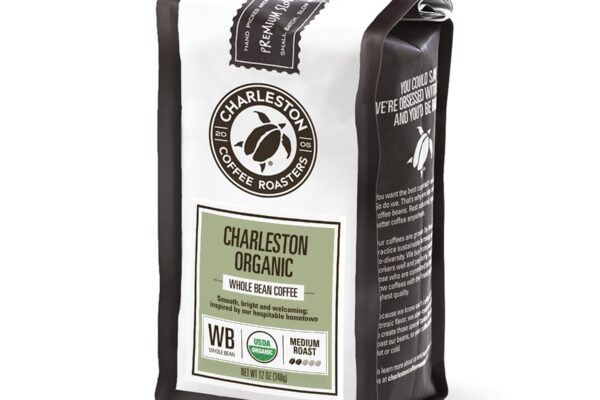
Seek out products bearing the USDA Organic Seal as proof of authentic organic coffee. In order to earn this certification, beans must come from an organic farm and go through stringent supply chain management and quality controls, which must then be verified by an independent third party inspection process to ensure authenticity and ban on genetically modified ingredients, radiation radiation exposure or using sewage sludge for processing coffee production. It is best to stick with authentic whole bean coffee – its health and environmental advantages make this choice well worth your while!