Blog
How to Make Your Own Mushroom Tea
Making mushroom tea at home is an enjoyable and simple way to reap the health benefits of functional mushrooms. From soothing Reishi tea before bed, antioxidant-rich Chaga tea for wellness or focus-boosting Turkey Tail tea at breakfast time – you can tailor both ingredients and brewing method according to your health goals and personal taste!
Reishi
Ganoderma lucidum, commonly referred to as Reishi mushroom, has long been used in Asian cultures as an aid to health and wellbeing. Reishi can strengthen immunity, decrease stress and fatigue levels and enhance cardiovascular wellbeing. Reishi products come in powder form, supplement form or as tea leaves.
Reishi is an effective immune stimulant that can increase production of white blood cells, strengthening immunity against infections like viruses and bacteria. Furthermore, research suggests it reduces triglycerides while raising “good” HDL cholesterol, helping lower risk for heart disease. Finally, Reishi may help lessen effects associated with cancer treatment while simultaneously improving lymphocyte functionality in cancer patients.
Reishi benefits can be attributed to its triterpene and polysaccharide content, which includes chemicals that alter gene activity in white blood cells so they can better attack cancerous cells and infectious agents more effectively. Studies have demonstrated this benefits of Reishi for those suffering from colorectal cancer; additionally, Reishi may increase white blood cell counts in people who also have prostate or breast cancer and can even boost tumor-killing lymphocyte numbers in some individuals.
Studies have also indicated that Reishi can reduce anxiety and depression symptoms, lower blood pressure, and improve sleep quality; more research needs to be conducted to support these claims. Furthermore, Reishi may provide antiviral, antifungal, and hepatoprotective benefits.
To create your own Reishi Tea, start by decocting mushrooms in water. Bring this to a boil, and simmer for 1- 2 hours before allowing it to cool off before straining out any large pieces. Store any extract in glass jars along with desiccant packs so that moisture does not form within them over time.
Reishi can also be added to herbal blends or infusions for medicinal use. You’ll find dried pieces or liquid extracts of this fungus available as capsules, tablets, supplements and tea bags. While generally considered safe, Reishi may interact with some medications like warfarin or blood thinners and increase bleeding risks when taken together; additionally it may increase allergic reaction risk when combined with immune suppressant medicines used to treat conditions like rheumatoid arthritis and inflammatory bowel disease.
Chaga
Chaga is a parasitic fungus that forms on living trunks of birch trees in cold circumboreal regions in the Northern Hemisphere. Resembling large scabs or burnt blisters, its outer surface (known as “sclerotia”) has coal black hues while its interior possesses cork-like brown patches.
Chaga tea is packed with antioxidants, vitamins and minerals and boasts antibacterial properties. Furthermore, its betulinic acid content has been proven to decrease inflammation in the body. As such, chaga tea may be useful in treating arthritis and cancer, boosting immune systems, increasing energy levels or helping with weight loss.
Most people can safely consume chaga without experiencing adverse side effects, however it is always advisable to consult a healthcare practitioner prior to beginning any herbal supplement regimen. Chaga may interact with blood-thinning medication and pregnant or breastfeeding women should avoid it as it has the ability to stimulate immune systems; those suffering from autoimmune diseases should exercise caution when consuming this supplement.
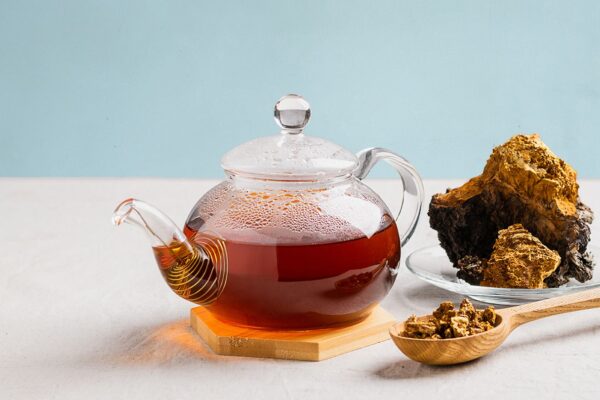
Tea made from chaga is one of the most widely consumed forms of this herb and can be prepared in various ways. One common approach involves steeping chunks in hot water until dark-brown in color – perfect for sipping anytime of the day with honey or lemon juice!
Chaga can be purchased in dried chunks or extract/tincture forms made from its dried form. Fresh chaga is also available, though its higher water content means it won’t produce the same depth of flavor and health benefits that brewed tea does.
Chaga should be harvested during winter when its potency peaks, using only a sharp knife and cutting away only its dense sclerotia layer – this process takes considerable effort! Once harvested, store in an airtight container at room temperature in order to prevent it from spoiling prematurely.
Lion’s mane
Lion’s mane is an increasingly popular supplement sourced from traditional Chinese medicine. This snow-white mushroom is revered for its ability to improve mental sharpness, increase immunity and aid digestion – as well as increase brain function while slowing age-related memory loss.
Hericium erinaceus fungus can be found growing on hardwood trees throughout North America, Europe and Asia as well as health food stores or online as a supplement. The mushroom forms in clusters at the base of tree branches resembling bearded hedgehog or lion’s mane fur, giving rise to its name. Furthermore, this ingredient can also be found as part of various dishes and beverages like tea tinctures and soups.
Lion’s mane mushrooms can easily fit into your diet. Lightly battered and fried as an appetizer or added to salads for a mildly savory bite are just two methods of enjoying them; slice and pan sear for a hearty vegetarian dish that mimics crab or lobster textures as an excellent vegetarian substitute. For extra flavor boost add soy sauce or tamari and top off your saute with garlic, herbs and lemon for an inviting, fresh finish!
Lion’s Mane Mushroom can add powerful medicinal value to your meals when used to make broth or stew, because its absorbency draws out flavors in any food-rich stew or soup you mix it into. Perfectly suitable for soups, stews and stir frys alike; perfect too for adding it into rice and pasta dishes like my Middle Eastern Inspired Ground Beef Bowl and Blackened Shrimp Bowl recipes, or vegan Creamy Mushroom and Leek Risotto recipe.
Although lion’s mane is generally safe to consume as food, more research needs to be conducted into its potential benefits as a supplement or medicine. Potential side effects include upset stomach, bloating and skin rash. Furthermore, certain medications and conditions may interact with this herb, such as people allergic to mushrooms should avoid it and those living with diabetes shouldn’t take it as it can negatively impact blood sugar levels.
Turkey tail
Turkey tail fungus is a resilient bracket fungus that thrives in dead wood – usually on tree stumps and branches that are decaying – growing in layer upon layer on deadwood surfaces, like tree stumps and branches. Its color range spans browns, greys, yellows, blacks with outermost edges appearing pale cream or white in coloration. Turkey tail is classified as polypore fungi; that means its underside contains pores that release spores for reproduction.
The name for this mushroom comes from its similarity to wild turkey feathers. It can range in color from light brown to black with rings of various hues resembling feathers; brightening up forest floors while serving as an indicator of life, death, and rebirth in nature. Leathery in texture and commonly seen throughout Pacific Northwest forests.
Fungi belong to a different kingdom than plants, so they do not gain energy and nutrients through photosynthesis like plants do. Instead, mycelium networks digest dead matter into nutrients for digestion by microbes that feed off its waste products and decompose dead material into compost. When ready to reproduce again, these mycelia then form fruiting bodies, such as mushrooms that release their spores to start new colonies of mycelia colonies; Turkey Tail mushroom is one of the most popular medicinal varieties found throughout North America’s forests and fields
Like Lion’s mane, turkey tail is an immune modulator which balances and strengthens your immune system. Additionally, its anti-inflammatory properties make it beneficial in managing symptoms associated with autoimmune conditions and digestive health issues, while serving as an excellent natural prebiotic that feeds beneficial gut bacteria while improving digestive health.
Turkey tail can help boost your mood by decreasing cortisol levels and increasing serotonin production, providing a natural remedy for anxiety, depression and chronic fatigue. Furthermore, turkey tail may help lower cholesterol by relaxing blood vessels and encouraging your arteries to unblock.
Mushrooms can be made into tea to boost immunity or added as flavorful accents to soups and stews for extra flavour. Furthermore, many take supplements containing mushrooms to support detoxification and digestion.