Blog
Is Coffee Healthy For Weight Loss?
Coffee has long been one of the world’s favorite beverages for good reason: It provides energy and nutrients that benefit body function. Furthermore, coffee may increase metabolism and fat burning rates as well as suppress appetite, enhance physical performance and decrease inflammation – leading many people to question its ability to help with weight loss goals.
Studies support the hypothesis that coffee can aid weight loss. A 2020 study demonstrated this through overweight adults drinking four cups of regular coffee per day saw a small decline in body fat mass when compared with those who did not drink coffee; furthermore, a 2019 meta-analysis of 13 randomized controlled trials discovered caffeine consumption to be associated with significant reductions in weight, BMI and body fat mass.
However, it should be borne in mind that these effects are only temporary and won’t lead to long-term weight loss. Coffee should only be used in support of healthy eating and exercise practices and should not be relied upon alone as a weight-loss aid. It can cause side effects including jitteriness, fast heart rate, stomach upset and sleep disruptions; those suffering from certain medical conditions like high blood pressure or anxiety may find difficulty tolerating caffeine as a supplement.
Timing is key when it comes to coffee’s role in weight loss; for optimal results, enjoy it before your workout in the morning as this can boost endurance and enhance fat-burning. On the other hand, late-night consumption should be avoided as this may disrupt sleep patterns and decrease metabolic functions.
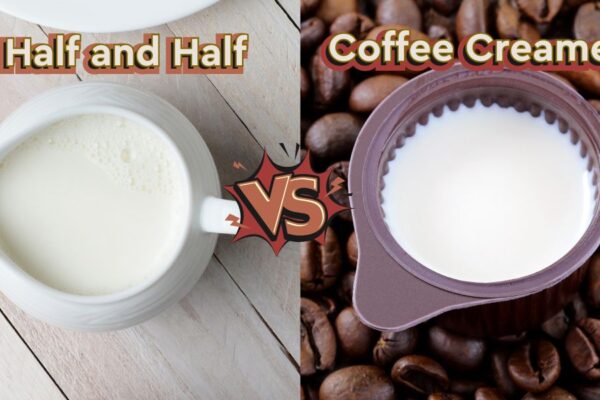
Sugar and creamers can add unnecessary calories to your cup. For optimal metabolic efficiency, enjoy your coffee black or with minimal milk and sugar added.
Honey or maple syrup are excellent low-calorie sweeteners that offer significant digestive health benefits, with less processing involved as well as providing your body with fiber for digestive support.
While caffeine may help boost metabolism, it should be remembered that its impact will only have limited results on weight loss efforts. For long-term success and sustainable weight loss, healthy diet and regular physical activity will provide better results.
If you are having difficulty losing weight, coffee may provide a mild appetite suppressant and stimulate ghrelin release to curb hunger. However, plateaus often require modifications to diet or exercise routine in order to break through them; so before increasing coffee consumption it’s wise to speak with your healthcare provider or trusted clinic like SOM Medical Practice in order to create an individualized weight loss plan tailored specifically for you and your lifestyle needs.