Blog

Is Mushroom Tea Stronger Than Eating Them?
Mushroom tea is an exciting health trend that transcends just being trendy. Easy to prepare and customized to your tastes, mushroom tea boasts numerous health benefits that you may never have considered before!
Reishi mushrooms promote sleep and immunity health; chaga mushrooms provide ample antioxidant protection and cardiovascular support; turkey tail mushroom offers cognitive enhancement benefits; each mushroom variety offers distinct potential effects and flavor profiles.
Reishi
Ganoderma (more commonly referred to as Reishi or Lingzhi) is a tree fungus with over two millennia of use in China and Japan, revered for its healing properties that promote longevity. Reishi has also been shown to treat fatigue, asthma, coughs, liver ailments as well as reduce blood pressure while improving cardiovascular health.
Reishi mushrooms contain beta-glucans, complex sugars that stimulate natural killer cells to destroy cancerous and abnormal cells within the body. Reishi may also help prevent or delay cancer progression through stimulating immune system function and encouraging healthy cell growth; however, more research must be conducted in this area to ascertain if Reishi indeed possesses anti-cancer effects.
Reishi can not only stimulate immunity but is also believed to aid concentration and memory, as well as increase energy levels while helping relieve anxiety and stress. Reishi has also been shown to boost HDL cholesterol while simultaneously decreasing triglycerides levels; which may reduce risks of heart disease.
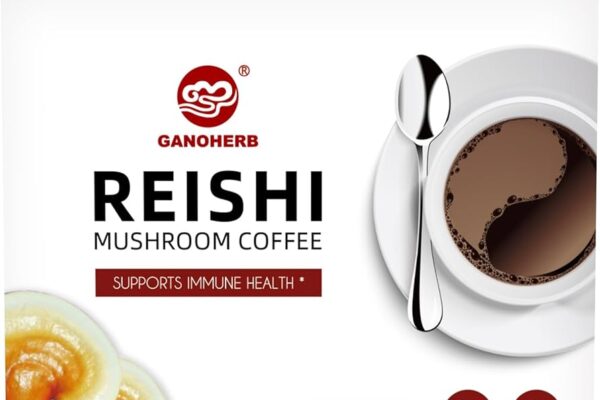
Reishi can be taken in various forms – tea being one of them – from capsules, tinctures and powders all the way through capsules, tablets and powders. It is best practice to drink Reishi regularly in order to fully maximize its therapeutic effects.
Mushroom tea is an easy and delicious warm beverage to make at home, made from dried or fresh mushrooms like chaga, lion’s mane or turkey tail. To brew a cup of mushroom tea simply bring water to a boil in a pot or kettle before adding your choice of dried or fresh mushrooms for about 30 minutes before straining using either a tea infuser, cheesecloth strainer or fine mesh strainer and enjoy!
Chaga
Chaga is one of nature’s most powerful antioxidants, associated with increased energy, improved gut health and even cancer fighting properties. Studies have linked Chaga with increased energy, enhanced immunity to disease and infections as well as the production of cytokine proteins which play an integral role in stimulating white blood cells (the first line of defense against diseases and infections) (21). Furthermore, Chaga contains high concentrations of Sulforaphane which has anticancer properties; research suggests it kills cancerous cells by stopping their energy production (32).
Chaga mushroom may also help combat chronic inflammation, strengthen immune function and protect against heart disease due to its high concentration of betulinic acid, plant sterols and polyphenols (14). Furthermore, studies have demonstrated its greater effectiveness than CoEnzyme Q10 at increasing Superoxide Dismutase enzyme levels and fighting oxidative stress than its competitors (2).
Many people turn to chaga for help with autoimmune conditions such as rheumatoid arthritis; however, its benefits extend further with diabetes, ulcerative colitis, and atherosclerosis (15). Thanks to its sulforaphane content, it may help protect against the formation of fatty plaques in their arteries that contribute significantly to heart disease (16).
Chaga can be found in various forms. Most commonly it comes in powder form that can be ground up and used as tea; it may also come as capsules; it’s important to choose quality products; some products simply contain unprocessed powder without extraction, making the active compounds nonbioavailable (17).
Be sure to purchase pure chaga by looking for a certificate of analysis or inquiring as to whether the company sells it tests their chaga independently to ensure its purity and safety (18). Keep in mind that chaga contains high concentrations of oxalates which may bind calcium deposits in kidney stones (19). In addition, taking chaga may lower blood pressure as well as cause bleeding disorders such as hemophilia or von Willebrand disease (20), making medical advice essential before beginning therapy with it.
Lion’s Mane
Many of today’s popular supplements – from ginseng for stamina to ginkgo biloba for sharpening focus and mushroom teas – have roots in ancient Chinese medicine. Mushrooms such as chaga, lion’s mane and turkey tail are being touted as immune boosters with brain-supportive benefits as well as anti-aging properties; mushroom tea promises increased energy while helping combat stress.
Mushroom tea is an infusion of functional fungi – whole or ground, fresh or dried – steeped in hot water to extract their natural flavors and provide health benefits, including antioxidants. Chaga mushrooms have been demonstrated to slow cancer cell growth in Petri dishes while improving cardiovascular health through reduced blood pressure and regulation of cytokine production (which aids inflammation). Lion’s mane and cordyceps mushrooms are currently being researched for potential benefits that include increasing immunity and combatting inflammation respectively.
The white or golden lion’s mane fungus (Hericium erinaceus), native to Europe, North America and Asia, thrives on trees such as ash, beech, maple and several oak species and is protected in the wild by the UK Wildlife and Countryside Act. Harvested for its purported brain-nourishing properties it has earned itself the name “herb for the nervous system.” Scientists are investigating its possible role in improving cognition in humans – one small study showed participants who took three grams of powdered lion’s mane showed improvements over time in mental function over time in participants taking three grams powdered daily found improvements over time in mental function over time in participants taking three grams daily!
Lion’s mane tea offers another benefit of drinking medicinal mushrooms: it may cause less stomach upset than other remedies, making it suitable for people with sensitive tummies. Furthermore, some clinical trials have demonstrated its efficacy against anxiety, depression and other mood disorders.
While mushroom tea can certainly be beneficial, for optimal results it is wise to seek advice from a registered dietitian nutritionist (RD or RDN). No supplement can treat, cure or prevent disease; furthermore too much of any remedy could prove dangerous.
Turkey Tail
Studies on the immune-enhancing benefits of turkey tail mushrooms have emphasized their ability to activate macrophages and natural killer (NK) cells – essential components of an effective innate immune response system that quickly detects and responds to foreign pathogens. Unlike adaptive immunity, which takes longer to respond than innate immunity.
Turkey tail contains polysaccharides that have been shown to inhibit pro-inflammatory cytokines that cause pain and swelling in arthritis joints, supporting healthy gut microbiomes and alleviating symptoms associated with digestive distress. Additionally, turkey tail is an anti-inflammatory mushroom that supports a balanced gut environment to alleviate symptoms associated with digestive distress.
Cordyceps is an immensely popular medicinal mushroom known for its stimulating effects on energy levels and sexual desire. Additionally, this mushroom can increase oxygenation of blood, improve athletic performance and enhance immunity; additionally it has even been noted to prevent and treat certain forms of cancer such as prostate and breast.
Reishi, chaga and lion’s mane mushrooms all offer beneficial properties when consumed as tea. Brewing these mushrooms allows the body to better digest and absorb their bioactive compounds through digestion and absorption by breaking down their chitin structure into liquid form.
To create mushroom tea, bring two to three cups of water to a boil before adding dried or powdered mushrooms and simmering them for 20 to 30 minutes. After steeping has finished, strain through a fine mesh strainer or cheesecloth in order to remove any solid particles that remain.
Add flavor and health benefits by squeezing lemon or slicing ginger for extra zest! Finally, sit back and sip your delicious yet healing cup of tea!
Mushroom teas are becoming a trendy drink trend, but before adding any mushrooms to your diet, please consult with a healthcare professional or dietitian first to ensure it’s safe. Mushrooms remain relatively new to Western medicine and more research should be conducted into their beneficial compounds.
Assimilation of mushrooms into your diet through teas is a delicious, effortless, and efficient way to begin. While mushroom teas can be found at many shops or even made yourself at home; when foraging wild mushrooms beware as some look similar to toxic varieties.