
Blog

Is Non Organic Coffee a Pesticide Problem?
As a coffee lover, it’s essential that you be aware that non organic coffee may contain pesticides and chemicals which could pose risks to both you and the environment. Organically produced coffee offers greater health benefits due to lack of chemical contamination; however, even organically produced beans may still contain chemicals and heavy metals if not handled appropriately.
Conventional coffee beans are subjected to heavy amounts of pesticides and chemical products in their production process. These chemicals can seep into bodies of water, harming local wildlife. Furthermore, these toxins may seep through your skin while handling or drinking coffee from conventional bean farms.
These chemicals can be hazardous for those working on farms and their families, including farmers themselves and their children. Furthermore, these toxins may contaminate both soil and water in less developed countries and lead to illness or even death for farmers and their family members – this problem being especially evident in Africa where pesticide runoff contaminates drinking water supplies while killing crops.
To qualify as organic, coffee must be grown on farms using natural fertilizers derived from manure or plant matter and free from synthetic herbicides and insecticides. Sustainable methods of weed control must also be used, such as hand weeding, slashing or using gas flame weeders for example. Furthermore, no genetically modified plants must be grown as well as any form of ionizing radiation or treating their crops with sewage sludge.
Clean Label Project conducted a research project which tested 45 popular consumer coffee brands for industrial contaminants, such as glyphosate, heavy metals (lead, cadmium, arsenic) and mycotoxins as well as mycotoxins such as phthalates (plasticizers found in consumer products like food storage containers, perfume, makeup or children’s toys).
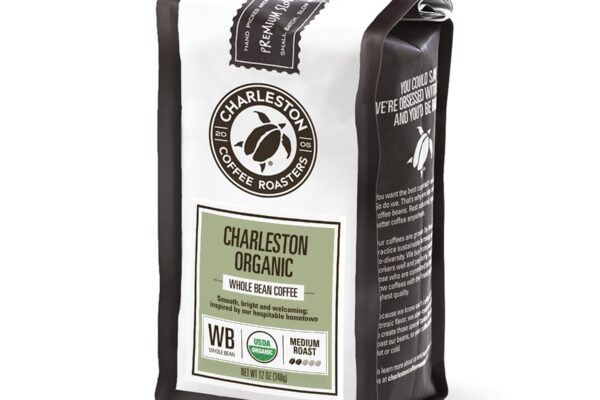
Organic certification is the only sure way to guarantee that your coffee is free from chemical residue and metal contaminants. In order to gain this status, coffee must meet strict USDA standards in terms of growing, processing and packaging processes; furthermore, farmers must agree to accommodate inspectors while paying travel expenses associated with their visits.
Organic coffee is not only healthier for you and the planet; traditional farming practices degrade soil by stripping it of essential nutrients; however, organic farming utilizes compost and other natural substances to enrich soil with vitality and promote biodiversity of plants and animals. Organic farming reduces greenhouse gas emissions as well as erosion risk in nearby rivers and lakes and has even been shown to lower greenhouse gas emissions!
Opting for organic is also advantageous as it supports family-run businesses rather than large multinational corporations that often engage in greenwashing – that is, selling products as environmental or socially responsible without increasing farmer payments accordingly. When selecting coffee to purchase it is vitally important that it come from companies certified as B-corporations or signed onto the Coffee.transparency initiative to ensure farmers receive fair compensation.