Blog

Mushroom Tea Near Me
Cordyceps
Cordyceps fungus has long been used as a health supplement in Asia. Cultivated and sold as JinShuiBao capsules from clinics throughout China, there have been growing concerns over its quality. Recently it has been discovered that one strain known as CS-4 may actually contain Paecilomyces hepiali – commonly referred to as the zombie-ant fungus due to infecting ants and making them bite others – instead.
Cordyceps species extracts contain many bioactive compounds, including nucleotides, nucleosides, polysaccharides, proteins, sterols and vitamins that possess antitumor, immunomodulatory, antioxidant, hypoglycemic, sexual function enhancement and fatigue fighting properties that have long been used as part of traditional medicine treatments.
Studies have demonstrated that cordyceps modulates both innate and adaptive immunity. It has both activating and suppressive effects on innate immune cells; can increase natural killer (NK) cell activity; reduce inflammation reactions in the lungs; inhibit autoimmune disease and prevent organ rejection after transplantation (Li and Liu 2004).
Cordyceps not only boosts innate and adaptive immunity but is also an adaptogen, providing relief from stress-related illness by increasing endurance, strengthening, and recovery from fatigue. This effect is especially valuable to those undergoing cancer treatments or dealing with chronic illness; fatigue is one of the major side effects associated with cancer therapies that may even cause death from overwork; Cordyceps is an excellent treatment option that has also shown to increase physical performance.
Cordyceps mushroom has shown direct cytotoxic activity against Ehrlich ascites carcinoma, meth-A fibrosarcoma, B16 melanoma cells in vitro (Wu, Zhang and Leung 2007a), as well as reversed the suppression caused by Taxol chemotherapy treatment in human leukemia T494 cells in vivo; suggesting it may be an effective agent in cancer therapy; further research should be conducted in this area to understand the exact mechanisms of action of cordyceps mushroom.
Reishi
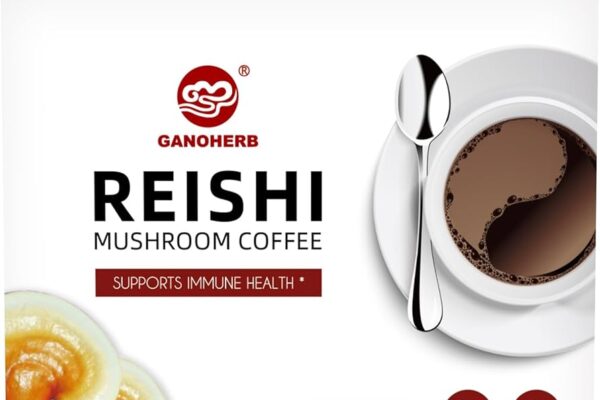
Reishi (Ganoderma lucidum), with its rich lacquer-like appearance and long history of use in traditional Chinese medicine, is as beautiful to look at as it is to consume. Reishi has many health-supportive benefits to offer including anti-inflammatory properties, blood sugar regulation and potential cardiovascular benefits; in addition to being an antioxidant that may boost immune health.
Reishi mushroom thrives when growing on trees, providing essential nutrients back into the soil as it breaks down dead plant material such as wood. Though some mycologists suggest Reishi may exhibit parasitic behavior toward living trees under certain environmental circumstances, Reishi is generally seen as ecologically beneficial.
Reishi mushroom’s polysaccharides may be responsible for its anticancer, immunostimulatory and hepatoprotective benefits as well as cardiovascular health improvements and blood pressure reduction; more research must be conducted to ascertain the appropriate amount of Reishi for optimal effects.
Reishi mushrooms can quickly be digested and metabolized when taken as food, due to their water-soluble beta-glucans and ganoderic acid constituents, making them easy to metabolize by those with impaired stomachs. Furthermore, Reishi mushrooms have also been shown to help increase white blood cell activity; something which cancer patients can benefit from and enhance quality of life through.
Reishi mushrooms provide numerous health benefits; however they should not be used as an alternative therapy or recommended to healthy adults. They have shown success for improving heart health by lowering cholesterol and triglycerides levels.
Mushroom leather is a biomaterial produced from mycelium that emulates the look and feel of premium leather, yet is cruelty-free and environmentally-friendly. Mushroom leather can be found from companies like MycoWorks as an upholstery, furniture and accessory option with inherent strength and softness – making it the ideal material for upholstery pieces by Ligne Roset as well. MycoWorks founder Frederick Martel will discuss its sustainable qualities at the International Contemporary Furniture Fair (ICFF) this May.
Lion’s Mane
Lion’s mane, part of the Hericium (hedgehog) genus, has been demonstrated to positively affect nervous system function during lab experiments and belongs to an important category of supplements known as adaptogens – believed to help relieve stress. Due to these findings, popularity for this supplement has skyrocketed along with cordyceps and reishi.
However, there has been limited research on the effects of lion’s mane on humans. A recent study published in Nutrients investigated its impact on cognitive performance and mood in healthy adults using psychological tests, questionnaires, heart rate measurement as well as vital signs such as blood pressure. Results demonstrated a positive impact of lion’s mane on mental performance and mood but more research needs to be conducted to verify these results.
Lion’s mane should only be taken in small doses due to its ability to interact with some medications, including blood thinners and immune modulating prescriptions, which contain compounds which could impede their effectiveness. People allergic to mushrooms should avoid taking this supplement. It may cause side effects in some individuals including upset stomach, bloating and even interactions with certain medical conditions like diabetes.
Cooked lion’s mane is the preferred method of consumption. The texture is similar to crab meat and it can be enjoyed raw or cooked. Add it to sandwiches, pasta dishes or simply enjoy on its own; just remember it must be well-done as raw lion’s mane contains chitin which may cause gastric distress as well as allergic reactions in high concentrations.
Lion’s mane can be found at specialty food stores and farmers markets, and is becoming more and more popular for home cultivation, with methods including inoculating logs with spores or using a mushroom kit. Colonization typically takes 14-21 days depending on factors like substrate hydration level and external storage conditions – you can speed this process by “shocking” logs by immersing them in cold water for 12-24 hours to “shock” them faster.
Shitake
Shiitake mushrooms are a must for plant-based eaters. With their deep, earthy, slightly smoky flavors adding depth and balance to dishes like stir fries, soups, grain bowls and more. Plus, their meaty bite makes for delicious vegan mapo tofu or mushroom steamed buns!
Shiitake (Lentinula edodes) mushrooms hailing from East Asia have quickly become one of the world’s most widely cultivated mushroom varieties, often being sold at grocery stores and featuring heavily in Asian cuisine. Shiitake are also often used in traditional medicine as they’re full of essential nutrients including fiber, B vitamins (especially pantothenic acid), copper selenium and iron content.
Shiitake mushrooms are most frequently enjoyed fresh; however, homemade dried versions can easily be made in an oven or dehydrator and stored as dried mushrooms for months. Dried varieties are readily available at specialty grocery stores, making it simple to substitute dried for fresh in recipes.
When creating your own shiitake mushrooms, start by soaking the mushrooms in warm water to rehydrate them and save their soaking liquid – it contains plenty of umami flavor which is perfect for creating custom broths and sauces!
Cooking shiitake mushrooms is simple and fast. Sauteing is the ideal method for taking full advantage of their delicious flavors while keeping them tender, while using high heat with plenty of space in the pan allows them to brown instead of steam, soaking up flavors like sponges while producing crispy edges. Add additional layers of complexity by tossing with garlic, ginger or scallions!
Mushrooms are an excellent source of soluble fiber, which has been associated with lower cholesterol levels and weight management. Plus, mushrooms contain antioxidants which may reduce inflammation and boost immunity; some shiitake varieties even contain polysaccharides called lentinans that could potentially protect against certain cancers.
Shiitake mushrooms are among the most widely cultivated species worldwide and can be found at most grocery stores – typically found in the produce section. Not only are shiitakes delicious to eat, they’re packed full of essential vitamins like Vitamin D and Folic Acid as well as being abundant sources of potassium which may help regulate blood pressure and fluid retention.