Blog

The Magic Mushroom Tea Set
Mushroom tea is a beverage prepared by steeping one or more varieties of edible mushrooms in hot water for several minutes to release their health-promoting compounds into boiling water.
Many mushroom enthusiasts create customized blends to achieve specific health objectives, for instance combining cognitive-enhancing effects of lion’s mane with energy-boosting cordyceps.
Medicinal mushrooms
Mushrooms are one of nature’s true superfoods. Loaded with antioxidants known to fight disease and promote overall wellbeing, mushrooms have long been used in various cultures worldwide as medicinal mushrooms; today they’re increasingly seen as part of a healthy balanced diet.
Mushrooms can be found in many foods and beverages, but most commonly consumed as dietary supplements or powders. Marketed for their benefits including improving immune system functioning, increasing energy levels, bolstering cognition enhancement, and weight loss support, mushrooms are marketed for consumption in this form.
Well-known medicinal mushrooms include Reishi, Chaga, Lion’s Mane and Cordyceps. Reishi (Ganoderma lucidum) has been shown to increase cognitive function in human studies; improve mood for those with mild cognitive impairment; decrease anxiety and irritability; while Lion’s Mane (Hericium erinaceus) mushroom supplements may protect against age-related neurodegeneration while improving cognition for those living with dementia and Alzheimer’s as well as helping enhance memory for healthy people.
Mushrooms contain many beneficial compounds, including polysaccharides, enzymes, amino acids, vitamins, minerals and fatty acids. Furthermore, mushrooms have antiallergic, antimicrobial, antioxidant and antidiabetic properties and may help support healthy blood sugar levels while aiding digestion – but some products linked to mind altering effects and prohibited for military service members should be reviewed carefully prior to purchasing dietary supplements containing mushrooms.
Reishi mushrooms
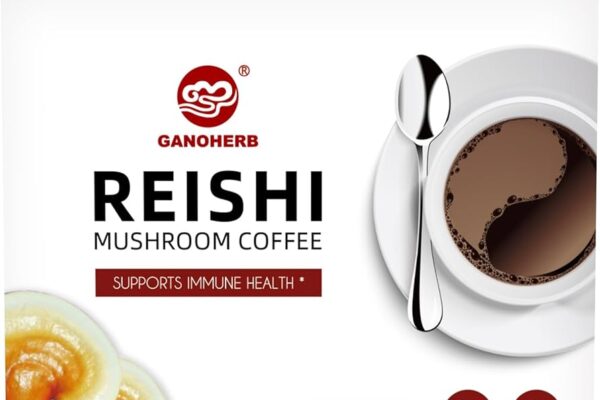
Reishi mushrooms are an herbal tea-making mushroom known for its therapeutic effects. Reishi’s medicinal qualities may include increasing energy, strengthening immunity and relieving stress levels while possibly helping fight cancer – although these claims largely come from animal studies and laboratory tests; further study is necessary to ascertain their true value.
Reishi belongs to the Ganoderma genus and shares close ties to other Ganoderma species, including G. lucidum and G. tsugae, but stands apart by virtue of its ecological adaptations, including an ability to digest wood. Reishi often grows on hardwood trees such as oak, maple and wild plum; in North America it can be found growing throughout the Pacific Northwest, Midwest and Northeast regions – often hard to differentiate from its close relatives with just the naked eye!
Reishi mushrooms have long been used as part of traditional Chinese medicine to promote long-term health and longevity, with proven effectiveness against asthma, dizziness, insomnia, etc. Now available as nutritional powder or supplements as well as variety of tea varieties, this traditional remedy remains highly relevant today.
Reishi mushrooms are generally safe, though certain medications and may worsen low blood pressure in some people. Furthermore, it remains unknown whether reishi is suitable for pregnant or breastfeeding mothers.
To create Reishi Mushroom Tea, mix dried Reishi with hot water until dissolved and strain it before serving it. For an enhanced experience, sweeteners or other ingredients may be added for more flavor – Reishi can have an unpleasant bitter flavor, so sweeteners help even out its taste and balance it out with sweeteners or herbs like Marjoram and Sage to create more complex blends of this classic beverage!
Chaga mushrooms
Chaga mushrooms (Inonotus obliquus) are a close relative to reishi mushrooms and often used in tea to reduce inflammation and fight oxidative stress. Chaga tea boasts one of the highest antioxidant contents among natural foods, protecting cells against damage and premature aging while supporting healthy blood sugar levels and providing protection from heart disease and cancer.
Chaga can be found in various forms, from whole dried pieces of mushroom to powder, capsules and tinctures. It can be added directly into tea brewing processes or taken orally as an oral supplement – for optimal results it’s recommended that chaga extract powder or tincture be utilized so as to maximize bioavailability from this powerful medicinal fungus.
To create mushroom tea from a chaga tincture, it is best to steep it in hot water at the ratio of one part tea: two parts tincture. This ensures optimal extraction while protecting all the beneficial components present in chaga mushrooms. Filtered water must be used so as to avoid impurities that could interfere with its medicinal qualities; initially the temperature should be brought up to boiling before gradually cooling back down again.
Mushroom tea can be enjoyed daily to promote wellness and increase mindfulness. As an afternoon pick-me-up to replace coffee or as part of a relaxing bedtime ritual with Reishi Tea an hour before sleep; add Reishi or Turkey Tail Tea into your morning smoothie to increase energy and focus. Although there hasn’t been much research into its medicinal uses, many find these adaptogenic foods help their bodies adapt to stress more easily and restore balance more rapidly than conventional remedies can do.
Lion’s mane mushrooms
Health-boosting mushrooms have long been recognized for their purported healing powers, from ginseng for stamina to ginkgo biloba for brain power; many of today’s popular supplements draw their inspiration from Traditional Chinese Medicine’s use of herbs and fungi as healing remedies well before modern wellness trends were prevalent. Perhaps most promising among all this crop of healthful fungi is lion’s mane; an attractive snow-white variety noted for purported benefits to both brain function and immunity.
Scientifically known as Hericium erinaceus, this iconic mushroom takes its name from its shaggy white tendrils that resemble a lion’s mane. Commonly found growing on dead and decaying trees throughout Asia, Europe and North America but more often now also being cultured through sawdust culture or log inoculation or grow kits sold online.
Lion’s mane is not only an exciting edible but is a natural source of nerve growth factor, which may help prevent age-related cognitive decline. Although early research shows promise, larger scale clinical trials must take place to verify these claims.
What we know for sure about these mushrooms is that they contain bioactive compounds such as hericenones and erinacines that support brain cell health, while potentially benefitting immunity, gut health and anti-tumor properties, according to Messer. Furthermore, Lion’s mane has also been shown to modulate blood sugar, improve lipid metabolism and show anti-tumor properties according to Messer.
Mushroom teas can be prepared using loose-leaf or bagged ingredients and enjoyed hot or cold, depending on personal preference. Some of the best-quality mushroom teas incorporate Reishi, Chaga, Turkey Tail, Lion’s Mane and Cordyceps as part of their ingredients – steeping at 85-90degC helps unlock water-soluble compounds to maximize enjoyment! They make great morning or post workout recovery drinks as well as accompaniments for hearty plant-based dishes such as vegan curries.
Cordyceps mushrooms
Cordyceps mushrooms, commonly referred to as zombie mushrooms, are parasitic organisms that grow from moth caterpillars’ bodies. In The Last of Us, these parasites caused an outbreak that turned people into zombies worldwide; while in real life these wellness supplements have energy-enhancing and immunity-building properties.
Cordyceps contains polysaccharides with immunomodulatory and anti-inflammatory properties; additionally it includes sterols, proteins and essential amino acids which contribute to cell health. Studies indicate that cordyceps can help lower stress levels while improving general resilience against oxidative stress. Furthermore, cordyceps stimulates natural killer cells, increases monocyte concentrations and decreases inflammatory markers – although more research needs to be conducted into human trials in order to confirm these benefits.
Cordyceps not only boosts immunity but it has adaptogenic properties as well, which help increase energy levels. Studies have indicated that cordyceps can aid athletes improve performance while decreasing fatigue while increasing endurance and recovering faster. It may also enhance corticosteroids production and increase stress resistance; additionally it may lower blood glucose and regulate lipid metabolism for diabetics.
Fungus has long been used in traditional Chinese medicine and contains an impressive array of bioactive substances, such as polysaccharides, proteinaceous factors and the nucleoside cordycepine; additionally it also produces various peptides and organic acids that possess antimicrobial effects. Fermented products of C. sinensis have also been demonstrated to possess various therapeutic actions, including antitumor and immunomodulatory properties as well as hypoglycemic activity in mice treated with nicotinamide or streptozotocin (Lo et al. 2004). Extracts of C. sinensis as well as fermented products of cultured mycelia and fruiting bodies have been demonstrated to support renal function, suppress liver damage and hyperlipemia, reduce oxidative stress levels, and block cancer cell proliferation (Wojcikowski et al. 2004; Li et al. 2008).