
Blog
Where Can I Find Organic Coffee?
Selecting organic coffee is beneficial not only for the environment but also your health. Conventional coffee crops are some of the most chemically treated crops around and non-organic coffee may contain pesticide traces which could pose health threats.
Organic coffee is sustainably sourced, ethically roasted and third-party tested to ensure quality and flavor. Check out Four Sigmatic organic coffee; both USDA certified and Fair Trade, it comes stocked with nootropics for extra brainpower!
1. Look for the USDA Organic Seal
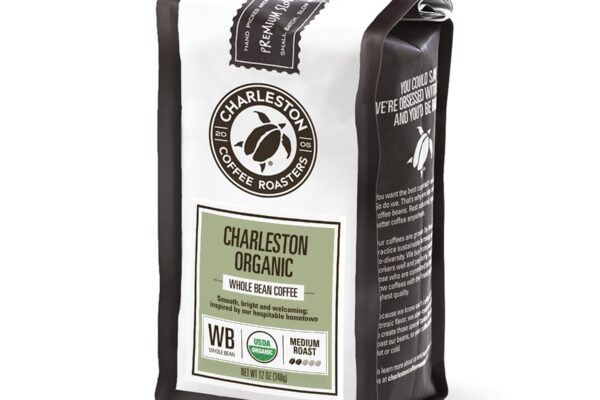
The USDA Organic Seal certifies coffee that has been grown without synthetic herbicides, pesticides or fertilizers and processed and roasted according to National Organic Program guidelines – some of the strictest organic food standards worldwide. Certified suppliers must maintain organic certification at each stage in the supply chain – farmers who grow it, mills and cooperatives which process it, importers/exporters who transport it and roasters/retailers that sell it all must all maintain this certification to stay compliant with organic standards.
Purchase of organic coffee can promote sustainable agricultural practices and healthy ecosystems in its country of production, while supporting economic security of coffee farmers through minimum prices and community development funds. Furthermore, purchasing it carries with it an affirmation of environmental sustainability and ethical production standards reflected by its USDA Organic seal.
However, it’s important to keep in mind that most coffee is produced on small farms of 50 acres or less and their families struggle to make a living from their harvests; with only an average farm earning $2,700 in harvest income annually; as a result it would be impossible for these family-run operations to afford the costly certification fees necessary for organic certifications. Therefore, if taste and environmental impact are more important to you, non-certified organic coffee may be better suited.
If you opt for organic coffee, it’s best to purchase certified brands that have an established history in producing quality beans. Search for brands with open and transparent sourcing and processing policies as well as eco-conscious packaging to reduce their environmental footprint. Reputable organic coffee brands typically list these details either on their website or product packaging. Reputable brands will support fair trade and other eco-friendly initiatives as an indicator of their commitment to responsible farming. Furthermore, these brands will often display their coffee certifications prominently on their website or packaging – plus many carry multiple varieties to meet consumer demand!
2. Look for the Fair Trade Seal
Consumers increasingly factor sustainability and ethical production practices into their purchasing decisions, leading many coffee roasters to develop certifications supporting responsible consumption. Beyond providing transparency, these labels also serve as distinguishing marks that connect brands to consumer values. As some labels may have specific requirements that overlap, businesses must carefully define what these certifications mean in terms of their business models and supply chain relationships.
Fair Trade is an internationally recognized label that promotes ethical sourcing practices by offering farmers higher prices, as well as community development empowering small-scale farmers and cooperatives to invest in social and environmental projects. According to research conducted on approximately 75% of consumers they would pay more for Fair Trade certified coffee.
The USDA Organic seal certifies that products produced without synthetic pesticides or fertilizers, with emphasis placed on soil health and biodiversity. Certified from farm to roaster, meaning 100% organic without synthetic ingredients or GMOs used; certified handlers (such as roasters) may display this seal on their packaging.
Shade grown coffee is an informal term referring to growing beans under the canopy of native trees, which allows more biodiversity and reduced chemical inputs for soil health benefits and reduced chemical input costs. While often considered an extension of organic farming practices, the two terms do not correspond directly.
Direct Trade is a more informal term that emphasizes long-term sourcing relationships; however, this doesn’t necessitate that roasters be directly involved with farmers; in fact, companies often purchase from cooperatives and label them “Direct Trade” on their packaging.
EUDR (European Union Deforestation Regulation) is an EU framework that will prevent products involving deforestation or ecosystem destruction from entering the market in Europe. While not applicable across all supply chains, coffee imported from high-risk regions like Brazil and Indonesia should abide by this regulation to promote sustainable production while decreasing the negative impacts associated with deforestation on climate change and local communities.
3. Look for the Rainforest Alliance Seal
Organic certifications from organizations like the USDA can be an excellent first step when searching for truly ethical coffee. Such certifications ensure that beans were grown without synthetic pesticides, with enough of a buffer between organic farming methods and conventional farming to prevent the transfer of pesticides between types of farming. In addition, organic coffee tends to be shade-grown for forest preservation and reduced soil erosion.
However, the best organic brands go beyond simply avoiding synthetic chemicals and encouraging sustainable land management practices; they pursue certifications that help create more equitable supply chains, such as Fair Trade or Rainforest Alliance certifications that ensure farmers receive fair wages that allow them to support themselves and their families. These certifications go beyond USDA organic seal requirements by guaranteeing fair treatment from their supplier partners as well.
Responsible roasters also strive for transparency when it comes to their coffee sourcing, providing information on the region, farm or cooperative from which the coffee originates. This allows consumers to build an emotional connection to their cup of coffee while tasting more deeply its flavors. Furthermore, some of the top roasters use unique blending techniques that blend multiple origins and roast profiles together into unique blends – creating unique tasting experiences.
At the end of the day, it’s up to you to select a roaster you trust. Now you have an effective approach for going beyond marketing claims and finding organic coffee that makes your mornings more pleasant. Once you find a brand that resonates with you, they could even provide convenient instant packets so you always have great coffee while knowing you are making a positive contribution with every cup you enjoy!