Blog

Why Should We Drink Organic Coffee?
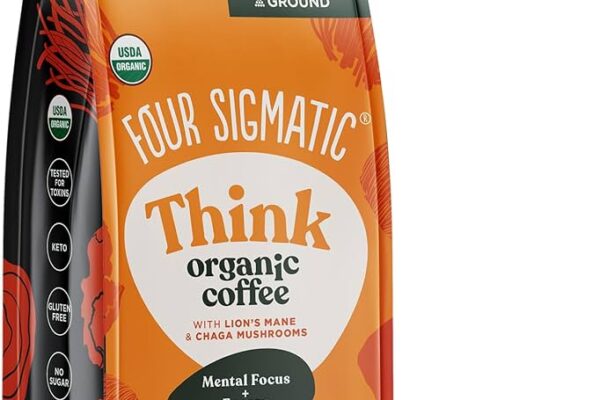
Coffee is one of the world’s favorite beverages, enjoyed for its health benefits, positive environmental impact and superior flavor. Organic coffee is grown without using synthetic chemicals like pesticides, herbicides and fertilizers; therefore people opting for this variety often for its variety of reasons including potential health advantages, environmental benefits and supporting fair labor practices and sustainable farming.
Pesticides sprayed directly onto coffee plants leave residues that can be found in finished cups, damaging soil, polluting water sources and harming organisms living there, as well as polluting air and being inhaled by those handling and harvesting beans. One widely-used insecticide from 1940 through the 1960s called DDT was even discovered in Ethiopian drinking water, breast milk and soil samples; its runoff contaminating rivers while killing fish, wildlife and disrupting ecosystems before reaching ocean waters through river currents.
Organic farms employ organic fertilizers such as animal manure and compost to enhance soil health, reduce greenhouse gas emissions, sequester carbon, increase resilience to climate change and preserve regional ecosystems.
Research demonstrates that organic coffee contains higher antioxidant levels than conventional, which could provide some health advantages. Although these differences could be attributable to differences in processing and storage methods, a 2011 comparative study published in Plant Foods for Human Nutrition suggests that its chlorogenic acid content was significantly greater among organic products.
Organic coffee may seem out of reach for some consumers, but it provides an ethical opportunity to support small-scale producers and their families. Unfortunately, large coffee corporations have been accused of greenwashing – labeling products as environmentally and socially responsible while failing to increase pay rates for farmers – which allows them to increase profit without actually increasing prices for farmers.
Organic coffee market is expanding, with new regulations put into effect to combat fraud, more sustainable practices and leading brands driving innovation. Deciding whether or not to purchase organic coffee depends on personal priorities, preferences and budget. Attentiveness to molds and fungus risks should not be underestimated; labels must be read closely. Even the cleanest specialty coffee may become contaminated if exposed to moisture during processing and storage or transported improperly, leading to mycotoxins being produced by mold growth. Researchers have concluded that mycotoxins found in coffee do not pose any significant threat to human health; in comparison, those from dairy and grains can potentially harm many individuals due to binding with hormone receptors and disrupting metabolic functions. To avoid such exposures, opt for only reliable organic shade-grown coffee which has also been certified Fairtrade; this will ensure any extra premium goes directly back into helping farmers who require extra help the most.