Blog

Does Organic Coffee Have Acrylamide?

Coffee is an indispensable morning habit, but does your cup contain acrylamide? The Clean Label Project conducted tests on popular coffee products for glyphosate, acrylamide and other chemicals found within their formulations.
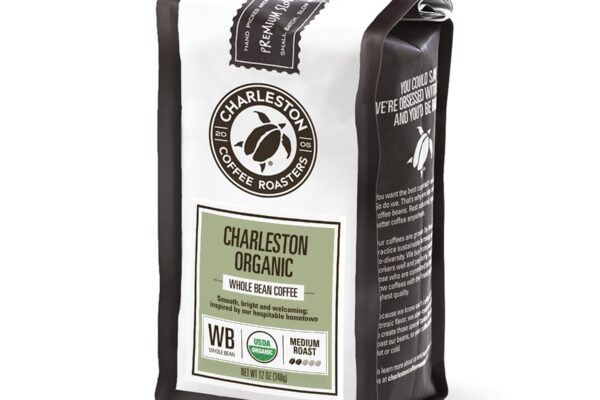
When you see the USDA Organic Seal on a coffee product, that means it has met stringent standards for production and growing processes – these standards prevent synthetic chemicals and fertilizers from being used during their growth and manufacturing processes.
What is Acrylamide?
Acrylamide is a chemical found naturally present in starchy foods that is produced during high-temperature cooking such as frying, roasting or baking at temperatures over 120oF (48oC). This substance forms from sugars and amino acids such as asparagine naturally present in food through a process known as Maillard Reaction that transforms it further by browning and intensifying flavor. Acrylamide has also been found in numerous industrial non-food products used in manufacturing paper and rubber; animal studies have linked acrylamide exposure with cancerous mutations while most studies in people have not found dietary exposure as being related to any kind of cancerous mutations or genetic material damage within cells, although most studies in people have failed to link this chemical with any form of cancerous mutation.
Food-grade acrylamide levels aren’t monitored or regulated, leaving no guidelines as to how much can be safely consumed. By comparison, drinking water acrylamide levels are closely regulated as are materials which come into contact with food products. While more research is conducted, until more findings emerge it would be wise to limit how often fried and roasted foods as well as starchy carbohydrates such as potatoes are eaten.
There are various strategies available to you to reduce your acrylamide consumption, such as cooking potatoes (like French Fries ) for shorter times at lower temperatures and soaking raw potato slices before frying or roasting can help to lower its formation.
Health Canada is aware of changes implemented by food processors to reduce acrylamide levels in their processed foods. Working closely with industry, they aim to develop tools that would further mitigate acrylamide presence in prepackaged products.
Health Canada will also continue its support of efforts to minimize acrylamide levels in food service establishments and will, as more information becomes available, assess its level of risk associated with its presence.
Dieting for optimal health means eating a diet rich in fruits and vegetables, lean meats, fish, whole grains and beans. If you choose fried or roasted foods as part of your diet, ensure they are cooked at low temperatures with regular temperature checks using a thermometer; otherwise overcooking may occur.
How is Acrylamide formed?
Acrylamide is formed when food containing asparagine amino acid is exposed to high temperatures for long enough. This happens when we fry, roast or bake food; and tobacco smoke also contains it. Although exposure from diet sources remains relatively unknown in humans, research on experimental animals has suggested possible links to cancer development; Health Canada is investigating this matter to assess their risk level for humans.
Eating a variety of different foods is generally helpful in lowering our acrylamide exposure. Cooking at lower temperatures for shorter durations also seems to help, while darker roasted coffees and instant coffees may contain less acrylamide than lighter roasts and traditional coffee preparation methods.
Asparagine can be converted to acrylamide through the Maillard reaction, which occurs during heating, and detected using modern laboratory methods such as liquid chromatography with tandem mass spectrometry and an isotopically labeled internal standard. These tests can measure up to ten micrograms per liter in solids and several hundred milligrams per kilogram in solutions of acrylamide.
Importantly, laboratory brewed coffee does not come close to matching up to levels found harmful for laboratory rats; in these experiments they consumed amounts that were 1,000 to 10,000 times greater than what would typically be consumed by people on an everyday diet.
Researchers who discovered this connection between acrylamide and coffee believe it may be related to Maillard reactions occurring during brewing processes, with more roasting and brewing increasing its levels of acrylamide content. Since acrylamide seems attracted to proteins within beans, boiling or other cooking methods won’t remove it effectively.
Stomach & Teeth Friendly Beans offers organically grown coffee that has been third-party tested for mycotoxins, heavy metals, pesticides and glyphosate levels – our goal being to offer only coffee that is free from these toxins! To do so, we source from farms which practice natural farming using volcanic soil and wildlife as fertilizers while protecting crop health – these farms are USDA Certified as well as family owned & operated!
How is Acrylamide removed from coffee?
Coffee contains far fewer chemical residues than most food products due to the fact that no artificial additives or chemicals are used during its production – meaning your cup of java poses much lower risks of acrylamide exposure compared with other food items. If you want to further minimize exposure, opt for high-quality organic coffee certified by USDA.
Certified organic coffee must meet strict growing, processing, and supply chain standards in order to qualify for USDA Organic Seal certification. These standards include making sure the land used to cultivate coffee has not been exposed to synthetic pesticides or other prohibited substances for at least three years before beginning its growth process; using only organic fertilizers such as manure, compost and coffee pulp as fertilizers while forgoing any synthetic herbicides, fungicides or insecticides during production process; while encouraging biodiversity through creating healthy environments which support local wildlife.
Organic coffee is grown under shade-grown conditions to preserve land and protect water quality while enriching soil with essential nutrients and maintaining its health. Furthermore, certified organic coffee typically does not contain the harmful chemical glyphosate which has adverse impacts on plants and animals surrounding its production. In addition, organic farmers adhere to stringent labor practices, with their crops having reduced environmental impacts than non-organic alternatives.
Many people enjoy coffee as it helps give them an energy boost in the morning. Caffeine stimulates nerves to instruct fat cells to release fatty acids into circulation and increase energy, increasing metabolism to burn calories faster and promote health overall. Furthermore, coffee contains powerful antioxidants which may protect against disease while maintaining overall body wellbeing.
Organic coffee can be one of the easiest and most direct ways to positively influence our world. While you might not be able to solve all problems immediately, supporting those working to make our world better will go a long way toward improving things – and drinking organic cups of coffee gives you peace of mind knowing it was made with the utmost care and consideration.
Is Acrylamide harmful to humans?
Coffee contains acrylamide, which is a natural chemical produced during high-temperature cooking processes called the Maillard reaction, giving food its brown hue and flavor. Unfortunately, though, in excess amounts acrylamide can be toxic to humans; animal studies have linked its use with cancer risk, and health agencies recommend limiting your exposure by avoiding foods like fries, roasts or processed items which contain it.
Acrylamide may be harmful in higher quantities, but only long-term consumption poses any real health concerns for humans. A cup of coffee typically only contains small amounts of acrylamide that outweigh its potential risk of cancer development.
Clean Label Project conducted extensive tests on 57 top-selling coffees from both conventional and organic markets to determine their acrylamide levels. Each sample was independently assessed for various industrial contaminants such as heavy metals (lead, cadmium, arsenic and mercury), mycotoxins, pesticides and phthalates as well as AMPA (Aminomethylphosphonic Acid).
Roast level, packaging type, bean origin and other factors have an effect on coffee’s levels of contaminants; dark roasted coffee typically contained lower levels of acrylamide than light or canned beans; inorganic samples had an increased proportion of AMPA-producing bacteria than conventional samples; additionally, The Clean Label Project discovered that most AMPA-producing coffees came from regions where glyphosate is banned for organic farming practices.
The results of the Clean Label Project show that when choosing to consume a diet rich in a variety of whole foods, your overall risk of exposure to chemicals like acrylamide will be minimal. According to EFSA recommendations, human consumption of foods containing acrylamide should not exceed EU limits.
While there may be much talk of acrylamide in coffee, it’s important to keep in mind that its link with cancer only emerges in animals when large amounts are consumed continuously over an extended period. Coffee provides energy and health benefits in equal measures; its small amount of acrylamide cannot compare with that found in potato chips or French fries.