
Blog

How Long to Brew Magic Mushroom Tea
Mushroom tea can be a relaxing and tasty way to support your health and wellness goals with natural powers of mushrooms. Chaga, Reishi, Lion’s Mane and Cordyceps Medicinal Mushrooms have several medicinal effects on immunity such as immunity-boosting properties as well as anti-inflammatory and cognitive-enhancing qualities that make for excellent ingredients in mushroom tea beverages. Different varieties add distinct woody, earthy or vanilla aromas depending on which ones you select in preparation process for maximum enjoyment and benefit – for maximum effectiveness and enjoyment pay attention during preparation process for maximum benefit and enjoyment – more.
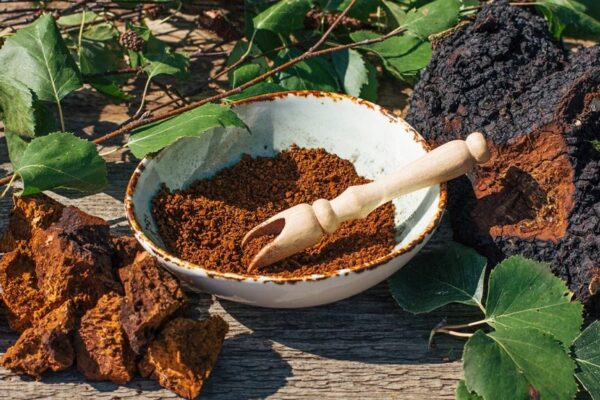
At the core of effective mushroom tea is finding a balance between functional properties of ingredients and personal preferences. Different mushroom varieties interact differently with hot water, impacting extraction and delivery of compounds. Soft varieties like turkey tail and lion’s mane require the least time for steeping while woodier species like chaga and reishi may need up to two or three hours simmering to realize their full potential. Temperature also plays a part in how long your tea should brew for.
Most people drink mushroom tea without adding sweeteners or spices, relying on its inherent flavors to provide their umami base. But its flavor can be further enhanced with complementary herbs or natural sweeteners, like honey, maple syrup or stevia to offset bitter or earthy notes in certain mushroom tea varieties, while complementary spices such as ginger cinnamon or peppermint may enhance its medicinal or immune-boosting qualities.
Commonly asked is whether mushroom tea can be combined with caffeine-containing beverages such as coffee and black tea. The short answer is yes; however, be mindful that doing so could result in significantly more caffeine being consumed than intended.
Some mushroom varieties, such as those containing psilocybin (magic mushrooms), can have hallucinogenic effects when consumed in high doses and should only be used under supervision by trained medical professionals. Psilocybin-containing mushrooms should not be confused with medicinal mushrooms discussed here and should not be seen as competing products.
This article presents three easy mushroom tea recipes using non-psilocybin mushrooms such as chaga, reishi and lion’s mane combined with green or black tea leaves for additional flavor and health benefits. Though many use various ingredients to craft their perfect mushroom tea blend, each recipe should be tailored specifically to meet the needs of its creator. People may find that pairing reishi with chai to increase energy and focus is the perfect combination, while for relaxation and sleep support purposes chaga and milky oats might work better. Your options for making mushroom tea are nearly limitless; we encourage you to experiment with various combinations of ingredients until you find those that work for you! Make sure to drink it while it is still warm to maximize absorption of its beneficial compounds.