
Blog

Mushroom Coffee – A New Functional Beverage
Mushroom Coffee is an innovative functional beverage made up of instant coffee combined with various medicinal mushrooms like cordyceps, chaga, lion’s mane and turkey tail to improve performance, sleep quality and boost metabolism. According to its creators, Mushroom Coffee promises improved performance, better sleep and metabolism boosting properties.
But many mushroom coffee products fail to disclose the amounts of individual mushrooms used, leaving consumers to make up their own minds about any claims being made about them.
What is Mushroom Coffee?
Coffee is an energizing morning beverage for many, but mushroom-infused coffee offers something extra special. These blends combine functional mushrooms such as lion’s mane, cordyceps, turkey tail and chaga with ground or powdered coffee beans for enhanced focus and immunity benefits.
Medicinal mushrooms are an edible and non-edible category of fungi with potency health-promoting effects, including immunomodulatory, anti-inflammatory, antioxidant properties. Furthermore, studies have also indicated they help reduce stress, enhance cognition and boost energy levels – but more research needs to be conducted into whether mushroom-infused coffee has similar results as eating whole mushrooms.
Mushroom coffee combines functional mushrooms with coffee for an all-around health boost, often including extra ingredients like ashwagandha, l-theanine, MCT oil or collagen for additional benefits. Though mushroom coffee contains caffeine like regular coffee does, its impact is more gradual without producing the jitters associated with regular caffeine consumption.
Most mushroom coffee products don’t provide any information regarding how much of each ingredient is included per serving, making it difficult to evaluate if their blends contain enough medicinal mushrooms to impact health. Furthermore, most human studies on medicinal mushrooms have focused on supplements containing only one type at a time; thus making it unclear how mixtures of mushroom extracts and powders will impact wellness.
Due to this reason, it’s crucial that you work with a healthcare professional who can recommend safe mushroom supplements and help determine whether adding them into your daily routine would be suitable for you.
What are the Benefits of Mushroom Coffee?
Coffee is an increasingly popular beverage, and many people appreciate its energy-boosting and mood-lifting effects. Coffee has also been linked to positive health outcomes like lower risks of heart disease and liver cancer, but for an enhanced experience some may prefer adding ingredients such as medicinal mushrooms that enhance focus and immunity benefits of their cup of joe.
Mushroom coffee is a combination of traditional coffee with medicinal mushrooms and other functional herbs, including lion’s mane, cordyceps, turkey tail chaga and reishi mushrooms which have shown promising benefits in areas such as stress, immunity, digestion and energy levels.
These ingredients are often added to coffee in powder form, enabling it to be easily mixed with hot liquid. Some brands provide single-ingredient blends; others may feature mushroom blends with additional components such as ashwagandha or L-theanine. Many mushroom coffee products contain less caffeine than their conventional counterparts and may therefore be an appropriate choice for individuals sensitive to caffeine intake or seeking to limit it.
Some brands make bold statements about the benefits of their mushroom-coffee blend, including claims it can increase mental clarity and improve sleep quality. Although such claims are interesting, there is limited scientific support for them as most studies on medicinal mushrooms focus on one type at a time while most mushroom coffee products use proprietary blends which do not reveal exactly which ingredients make up each blend.
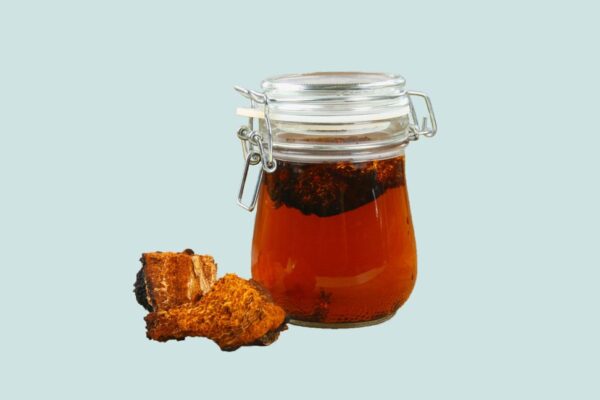
There is also the concern that certain ingredients in mushroom coffee could interact with certain medications or health conditions, including kidney ailments. Chaga mushrooms contain high levels of oxalates that could harm those suffering from kidney conditions; also herbal and dietary supplements could interfere with cancer treatments.
Therefore, the Centers for Disease Control and Prevention advises consulting with your physician prior to taking dietary supplements if you have preexisting health conditions or are taking medications that could interfere with these supplements – they can assess whether this kind of complementary and alternative medicine (CAM) might interfere with treatment or cause adverse reactions.